
 Pin it
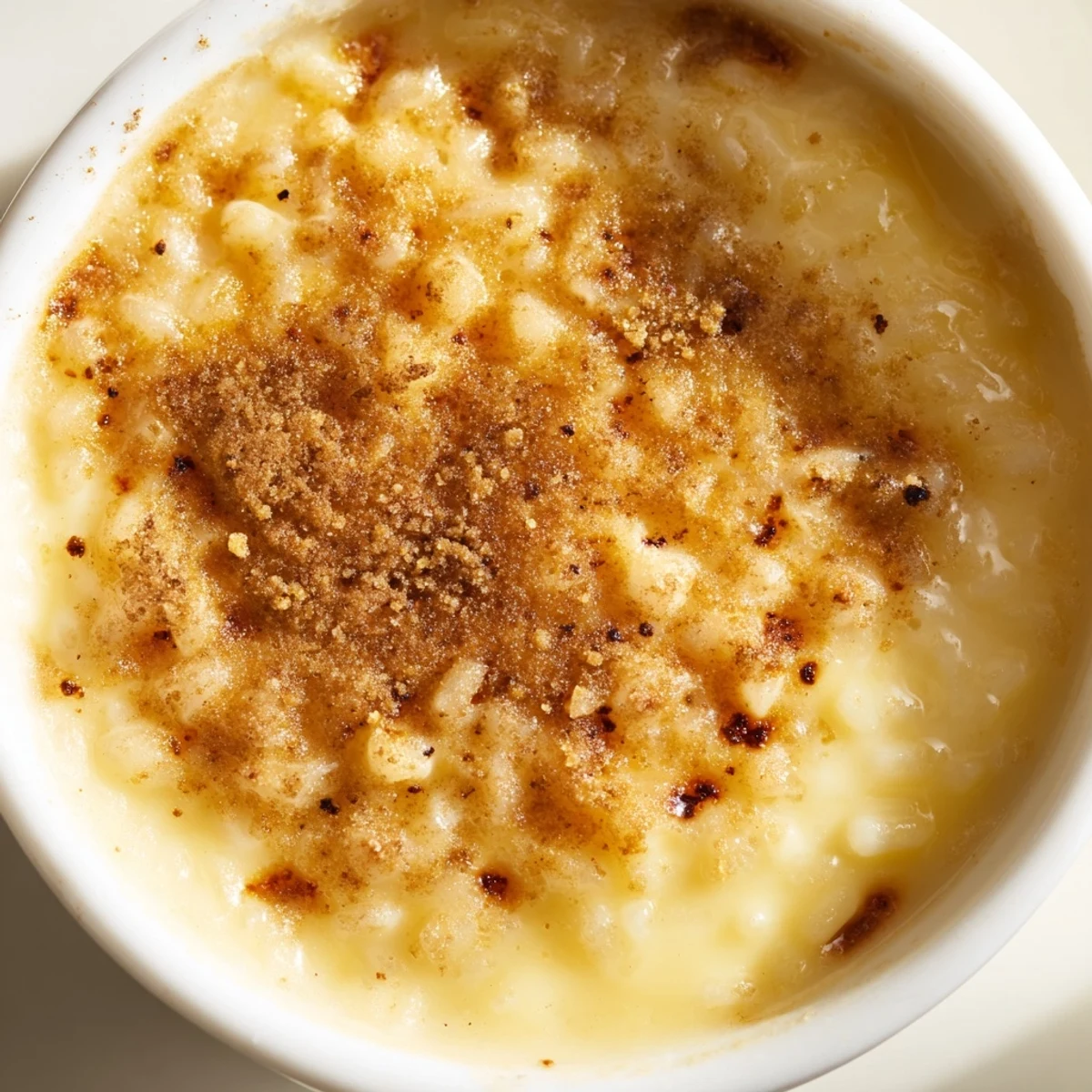
 This beloved Portuguese dessert combines slow-simmered rice in rich whole milk and cream, naturally sweetened and infused with aromatic lemon peel and cinnamon. The result is an incredibly silky custard that balances creamy comfort with bright citrus notes. A final dusting of cinnamon-sugar creates a delicate caramelized crust that adds satisfying crunch to each spoonful. Perfect warm or chilled, this timeless treat pairs beautifully with port wine or stands alone as a satisfying end to any meal.
The first time I encountered Portuguese rice pudding was at a tiny family-owned tasca in Lisbon, where the grandmother insisted I try her 'special dessert.' I'd been skeptical about rice for dessert, but one spoonful of that creamy, cinnamon-dusted comfort changed everything. Now it's the dessert I turn to when I need something that feels like a hug from someone who loves you.
Last winter, during a particularly gray stretch of February, I made three batches in one week. My roommate kept 'accidentally' walking through the kitchen whenever the cinnamon hit the hot surface, and we ended up eating most of it straight from the baking dish with spoons, standing over the counter while the snow fell outside. Some desserts are meant for fancy dinner parties, but this one is for the moments when you just need comfort.
Ingredients
- Short-grain rice: This is non-negotiable. Arborio or similar short-grain releases more starch, creating that velvety creamy texture that makes this pudding unforgettable
- Whole milk and heavy cream: The combination delivers richness without being heavy-handed. I've tried using all milk and missed that luxurious mouthfeel
- Lemon peel: Use a vegetable peeler to get wide strips, and absolutely avoid the white pith or your dessert will taste bitterly wrong
- Cinnamon stick: Whole cinnamon infuses gently throughout cooking. Ground cinnamon would turn the custard muddy and grainy
- Egg yolks: Four yolks provide the custard base and that gorgeous golden color. Save the whites for meringue or an omelet the next morning
- Butter: Just two tablespoons adds a subtle roundness that makes everything taste more complete
Instructions
- Simmer the rice base:
- Combine the rice, whole milk, heavy cream, lemon peel strips, cinnamon stick, and salt in a medium saucepan. Bring to a gentle bubble over medium heat, then reduce to low and cook for 25 to 30 minutes, stirring often to prevent sticking and catching. The rice should be tender and the mixture noticeably thickened, like a loose porridge.
- Add sweetness and remove aromatics:
- Fish out and discard the lemon peel and cinnamon stick. Stir in the sugar, butter, and vanilla extract, cooking for just 2 to 3 minutes until everything melts together and the sugar fully dissolves.
- Temper the egg yolks:
- Whisk your egg yolks in a separate bowl until smooth. Gradually ladle about half a cup of the hot rice mixture into the yolks, whisking constantly the entire time. This gentle warming prevents the eggs from scrambling when you add them to the main pot.
- Create the custard:
- Pour the warmed yolks back into the saucepan and cook over very low heat, stirring constantly with a wooden spoon or heat-proof spatula. After 2 to 3 minutes, the mixture will coat the back of your spoon and feel slightly thicker. Do not let it boil or you'll end up with sweet scrambled rice.
- Finish with the cinnamon crust:
- Pour the custard into individual ramekins or one large serving dish. Mix the remaining 2 tablespoons sugar with the ground cinnamon and sprinkle evenly over the surface. Let cool to room temperature, then serve warm or refrigerate and serve cold.
 Pin it
 My Portuguese neighbor Maria told me her grandmother would make this every Sunday, and the whole neighborhood knew by the cinnamon scent wafting through their windows. Now whenever I make it, I think of her standing in her doorway, waving me over with a container of still-warm pudding and that knowing smile that says 'I made too much' when we both know she made exactly that much on purpose.
The Secret to Perfect Texture
I've learned that short-grain rice makes all the difference between rice pudding and rice porridge. Those plump grains absorb liquid slowly and release starch, creating that almost velvety consistency that makes Portuguese rice custard so distinctive. If you only have long-grain rice, the dish will still be delicious, but you won't get that luxurious mouthfeel that makes people close their eyes after the first bite.
Serving Temperature Matters
There's a passionate debate in Portuguese households about serving temperature. Personally, I believe warm rice pudding with that slightly melted cinnamon sugar on top is pure heaven, but my friend Ana insists it must be thoroughly chilled and sets hers in the fridge overnight. The truth is both are magnificent—the warm version feels like a comforting embrace, while cold becomes elegantly refined and almost mousse-like. Try it both ways.
Make-Ahead Magic
This dessert actually improves with a few hours in the refrigerator, as the flavors deepen and the texture sets into something more substantial. I often make it in the morning and let it chill all day, then sprinkle fresh cinnamon sugar over individual portions right before serving. That way, you get the cold, set custard with the contrast of freshly sprinkled, aromatic topping.
- Store in the refrigerator for up to 4 days, though it rarely lasts that long
- The cinnamon sugar topping can get soggy over time, so add it fresh if you're serving leftovers
- Never freeze this custard—the dairy separates and the texture becomes grainy and sad
 Pin it
 There's something profoundly satisfying about transforming humble rice into something so utterly luxurious. This dessert reminds me that the best things in life often start with the simplest ingredients, a little patience, and someone to share it with.
Recipe Questions & Answers
- → What type of rice works best for this custard?
-
Short-grain rice is ideal because it releases starch during cooking, creating a naturally thick and creamy texture. Arborio or Valencia rice work beautifully, though pearl rice is the traditional Portuguese choice.
- → Can I make this dessert ahead of time?
-
Absolutely. This custard actually improves after chilling for several hours or overnight, allowing flavors to meld. The texture becomes firmer when cold, making it easier to slice and serve.
- → Why temper the egg yolks before adding them?
-
Tempering prevents the eggs from scrambling when they hit the hot mixture. Gradually warming the yolks with spoonfuls of hot liquid gently brings them to temperature without cooking, ensuring a smooth, silky custard.
- → How do I know when the custard is properly thickened?
-
The custard is ready when it coats the back of a spoon and leaves a clear trail when you run your finger through it. It should look glossy and pour slowly, never reaching a full boil.
- → Can I substitute ingredients in this custard?
-
You can replace whole milk with low-fat milk, though the texture will be less rich. For a dairy-free version, coconut milk works surprisingly well, complementing the tropical notes. Orange peel makes a lovely alternative to lemon.
- → What's the best way to serve this dessert?
-
Portuguese rice custard is traditionally served in individual ramekins or a large shallow dish. Serve slightly warm for maximum creaminess, or thoroughly chilled for a firmer, more refreshing texture. A glass of sweet port or Madeira wine makes the perfect accompaniment.