
 Pin it
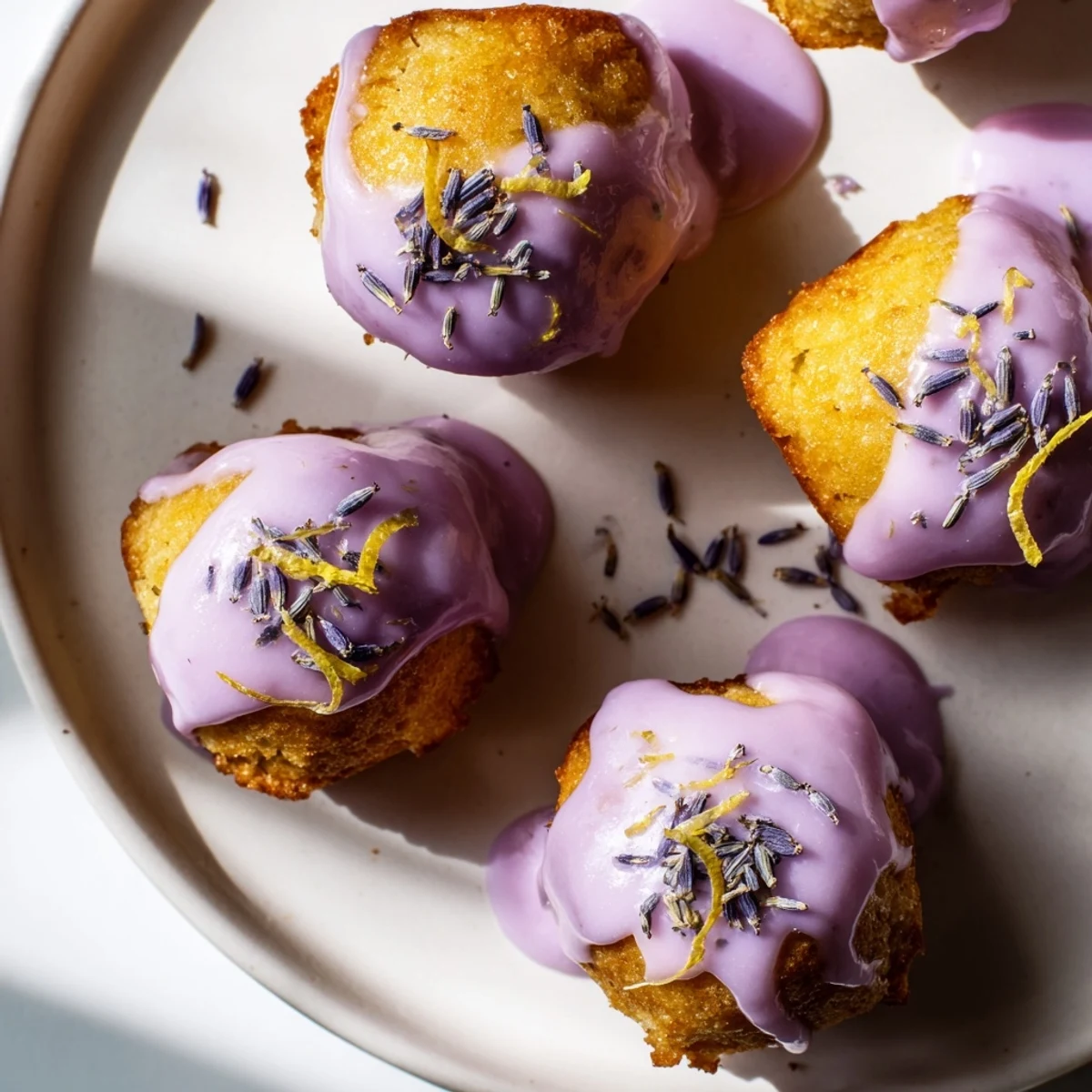
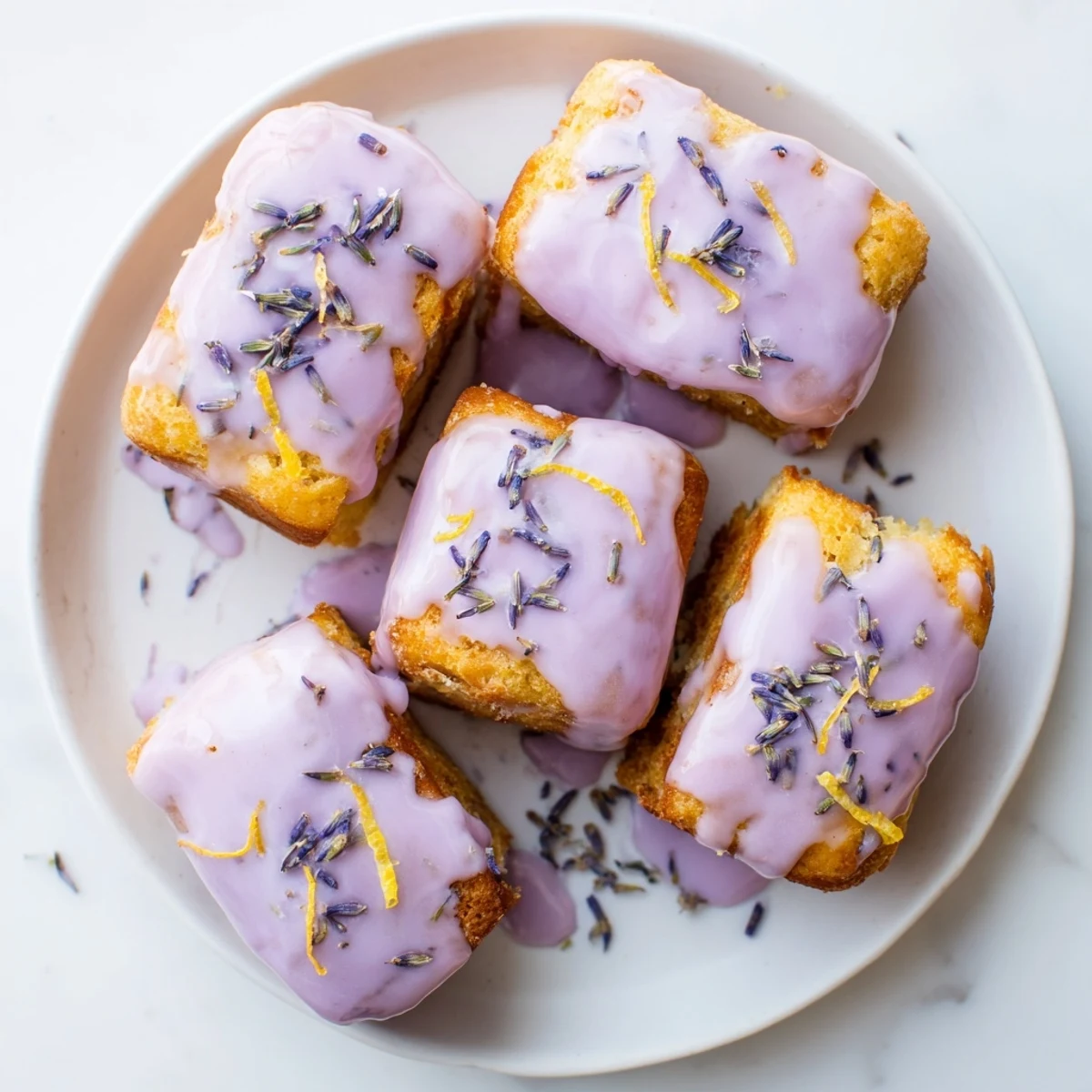
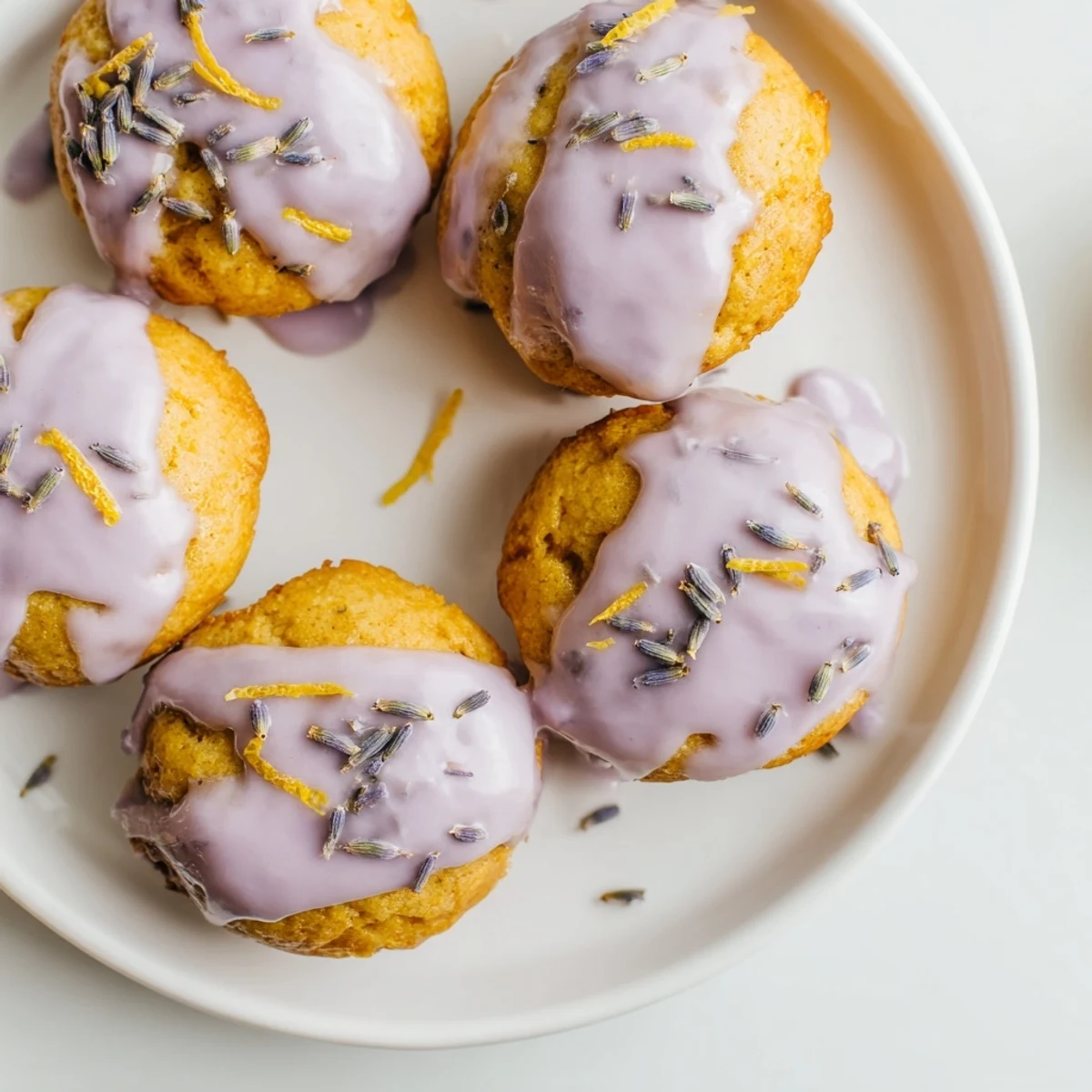
 These delightful mini lemon cakes combine bright citrus notes with aromatic lavender for an sophisticated dessert experience. Each tender, moist cake is infused with fresh lemon zest and juice, then crowned with a silky floral glaze that adds both visual appeal and delicate fragrance. The individual portions make them ideal for entertaining, afternoon tea service, or as an impressive finish to dinner parties.
The preparation involves creaming butter and sugar until fluffy, incorporating fresh lemon elements, and carefully folding dry ingredients to maintain tender texture. After baking to golden perfection, the cakes are cooled completely before receiving their signature lavender-infused topping. The glaze balances sweetness with floral complexity, creating a harmonious flavor profile that feels both comforting and refined.
Last spring, my neighbor brought me a bundle of fresh lavender from her garden, and I stood in my kitchen inhaling that distinctive fragrance, wondering how to transform it into something edible. These mini lemon cakes became my answer, and the first batch disappeared so quickly at book club that I barely got to taste one myself. Now, whenever I brush past lavender growing in someone's yard, I immediately think of sunny afternoons and these little golden cakes.
I made these for my mothers birthday tea last year, and she kept insisting they must be from a bakery because nothing homemade ever looks this polished in her opinion. Watching her eyes light up when she took that first bite, seeing the powdered sugar dusting her cardigan, that moment made all the whisking and waiting worth it.
Ingredients
- 1 1/2 cups (180 g) all-purpose flour: Provides structure and a tender crumb when combined with the right amount of leavening
- 1 tsp baking powder: Gives these mini cakes their lift and light texture
- 1/4 tsp baking soda: Works with the acidic lemon juice for extra rise
- 1/4 tsp salt: Enhances all the flavors and balances sweetness
- 1/2 cup (115 g) unsalted butter, softened: Creates richness and moisture, so bring to room temperature for smooth creaming
- 1 cup (200 g) granulated sugar: Sweetens while helping create a tender, fine crumb
- 2 large eggs, room temperature: Binds everything together and adds structure
- 2 tbsp freshly grated lemon zest: Packs the most intense lemon flavor possible, so zest right into your sugar
- 1/4 cup (60 ml) fresh lemon juice: Adds tang and activates the baking soda
- 1/2 cup (120 ml) whole milk, room temperature: Creates moisture and tenderness in every bite
- 1 tsp pure vanilla extract: Rounds out all the flavors with warmth
- 1 1/2 cups (180 g) powdered sugar, sifted: Creates the smooth, pourable glaze that makes these cakes stunning
- 2 tbsp milk: Adjust to get your glaze to perfect pouring consistency
- 1 1/2 tsp dried culinary lavender, finely crushed: Use only culinary-grade lavender to avoid bitterness
- 1 tbsp fresh lemon juice: Cuts through the sugar glaze with brightness
- Purple food coloring: Optional, but creates that Instagram-worthy lavender hue
Instructions
- Preheat your oven to 350F (175C):
- Grease and flour a 12-cup mini bundt or muffin pan thoroughly, getting into all those little crevices
- Whisk the dry ingredients together:
- In a medium bowl, combine flour, baking powder, baking soda, and salt until well blended
- Cream butter and sugar:
- Beat in a large bowl for 2 to 3 minutes until the mixture turns pale and fluffy, scraping the bowl down halfway
- Add the eggs and flavorings:
- Beat in eggs one at a time, then mix in lemon zest and vanilla until everything is incorporated
- Pour in lemon juice:
- Mix briefly to combine
- Alternate wet and dry ingredients:
- Add flour mixture in three parts, alternating with milk, beginning and ending with flour, mixing until just combined
- Fill your prepared pan:
- Divide batter evenly between the mini cake molds, smoothing the tops
- Bake until golden:
- Bake for 16 to 18 minutes, or until a toothpick inserted in the center comes out clean
- Cool briefly in the pan:
- Let rest for 10 minutes before turning out onto a wire rack to cool completely
- Prepare the lavender glaze:
- Whisk together powdered sugar, milk, crushed lavender, and lemon juice until smooth and pourable
- Glaze the cooled cakes:
- Spoon glaze generously over each cake, letting it drip down the sides naturally
- Add the finishing touches:
- Garnish with extra dried lavender buds and strips of lemon zest
 Pin it
 These little cakes have become my go-to when someone needs cheering up, something about that combination of bright citrus and soothing lavender feels like giving someone a hug in food form. I've started keeping dried lavender in my pantry just for these moments.
Getting the Glaze Right
The consistency of your glaze makes all the difference between elegant and messy. Too thin and it runs right off the cakes, too thick and it looks clumpy rather than smooth. I've learned that starting with less liquid and adding drop by drop gives you the most control over the final result.
Working with Lavender
Crushing the dried lavender between your fingers or with a mortar and pestle releases those essential oils that make the flavor really sing. Don't skip this step, or you'll end up with whole buds that taste overwhelming in some bites and barely present in others.
Make-Ahead Magic
The cakes themselves actually improve slightly after a day, developing a more tender crumb as the moisture redistributes throughout. I often bake them the day before, glaze them the morning of my event, and they taste just as fresh as if they'd been baked that same morning.
- Wrap cooled unglazed cakes tightly in plastic wrap and store at room temperature for up to 24 hours
- Glaze them within 2 hours of serving for the prettiest presentation
- Left glazed cakes can be stored in an airtight container, though the glaze may soften slightly
 Pin it
 Theres something deeply satisfying about serving these dainty little cakes, watching people hesitate before taking that first bite, then seeing their eyes widen at that perfect balance of tart and floral. They may look fancy, but the joy they bring is what keeps me making them again and again.
Recipe Questions & Answers
- → What makes these lemon cakes so moist?
-
The combination of creamed butter and sugar, along with the addition of fresh lemon juice and whole milk, creates a tender crumb. The proper ratio of wet to dry ingredients and careful mixing prevents overdevelopment of gluten, resulting in consistently moist cakes.
- → Can I prepare these cakes in advance?
-
Yes, the unfilled cakes can be baked one day ahead and stored in an airtight container. Glaze them shortly before serving for the freshest appearance and texture. The glaze can also be prepared ahead and stored at room temperature.
- → What type of lavender should I use?
-
Always use culinary-grade dried lavender buds specifically intended for cooking. Regular lavender from gardens may contain pesticides or have an overly bitter flavor. Culinary lavender provides the right balance of fragrance without harshness.
- → Can I make these without a mini bundt pan?
-
A standard muffin pan works perfectly as an alternative. Simply adjust baking time slightly—muffins may take 14-16 minutes versus 16-18 for bundt shapes. The result will be equally delicious though presentation will differ.
- → How do I steep milk for stronger lavender flavor?
-
Heat the milk gently until steaming, add dried lavender buds, and let steep for 15-20 minutes. Strain thoroughly through a fine-mesh sieve or cheesecloth before combining with powdered sugar. This infused milk creates a more pronounced floral note in the glaze.
- → What beverages pair well with these cakes?
-
Chilled Moscato d'Asti complements the citrus and floral notes beautifully. For non-alcoholic options, Earl Grey tea enhances the lavender essence, while a classic English Breakfast tea provides a nice contrast to the bright lemon flavors.