
 Pin it
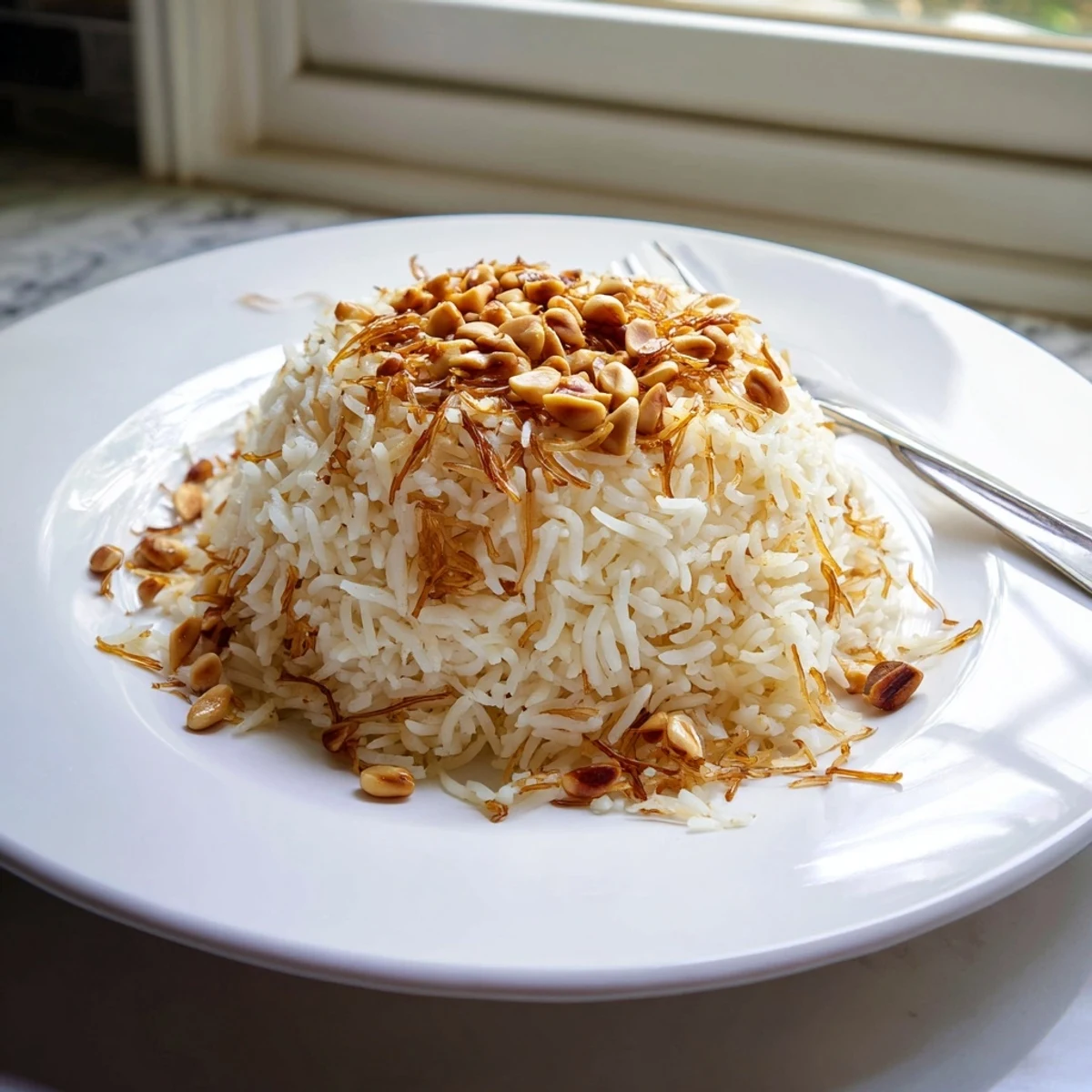
 This traditional Lebanese rice combines long-grain basmati with deeply toasted vermicelli noodles for a nutty, fragrant side dish that's ready in just 25 minutes. The vermicelli is browned in butter or olive oil until deep golden, infusing every grain with rich flavor.
Finished with a garnish of sautéed pine nuts and a gentle fluff with a fork, this dish delivers perfectly separated, fluffy results every time. It pairs beautifully with grilled meats, hearty stews, or roasted vegetables.
The smell of vermicelli browning in butter is one of those scents that pulls you into the kitchen before you even realize your feet are moving. My neighbor Joumana once made this rice while we were deep in a conversation about her garden, and I stopped mid sentence because the aroma was so distracting. She laughed and handed me a forkful straight from the pot, and I have been chasing that moment in my own kitchen ever since.
I started making this on busy weeknights when a plain pot of rice felt too boring but I had no energy for anything elaborate. My daughter now requests it by name, calling it the crunchy ribbon rice, which is honestly a better name than anything I could come up with.
Ingredients
- 1 cup long grain white rice (basmati or jasmine): Rinsing is non negotiable here, it removes surface starch so the grains stay separate and fluffy rather than clumping into a sad brick.
- 1/3 cup vermicelli noodles, broken into 1 inch pieces: Snap them by hand into a bowl and pretend you are doing something meditative, it helps to have them ready before the pan gets hot.
- 2 tablespoons unsalted butter or olive oil: Butter gives a richer flavor but olive oil keeps it dairy free and still wonderful.
- 2 cups water or low sodium vegetable broth: Broth adds a subtle savory backbone, though water works perfectly when serving alongside a saucy stew.
- 2 tablespoons pine nuts (optional): Toasted golden and scattered on top, they turn a humble side dish into something worth photographing.
- 1 teaspoon salt: Adjust depending on whether you use broth or water.
- 1/4 teaspoon black pepper: Just a whisper of heat that ties everything together.
Instructions
- Wash the grains:
- Run cold water over the rice in a fine mesh strainer, swishing with your fingers, until the water runs nearly clear and you can see each grain individually.
- Toast the pine nuts:
- Melt the butter or heat the oil in a medium saucepan over medium heat, then tumble in the pine nuts and stir until they blush gold, about one to two minutes, then scoop them out immediately.
- Brown the vermicelli:
- Drop the broken noodles into the same pan and stir without stopping, watching the color shift from pale to a deep amber, which happens quickly so do not look away.
- Coat the rice:
- Add the drained rice to the toasted noodles and stir for about thirty seconds so every grain gets a glossy coating of fat.
- Build the liquid:
- Pour in the water or broth, season with salt and pepper, and let it come to a gentle boil where bubbles break the surface in a lazy rhythm.
- Steam undisturbed:
- Drop the heat to low, clamp on the lid, and set a timer for fifteen minutes during which you must resist every urge to peek.
- Rest and fluff:
- Take the pot off the heat and let it sit covered for five more minutes, then gently fork through the grains to separate them into light, fragrant clouds.
- Finish and serve:
- Scatter the reserved pine nuts over the top and bring it to the table while the steam is still rising.
 Pin it
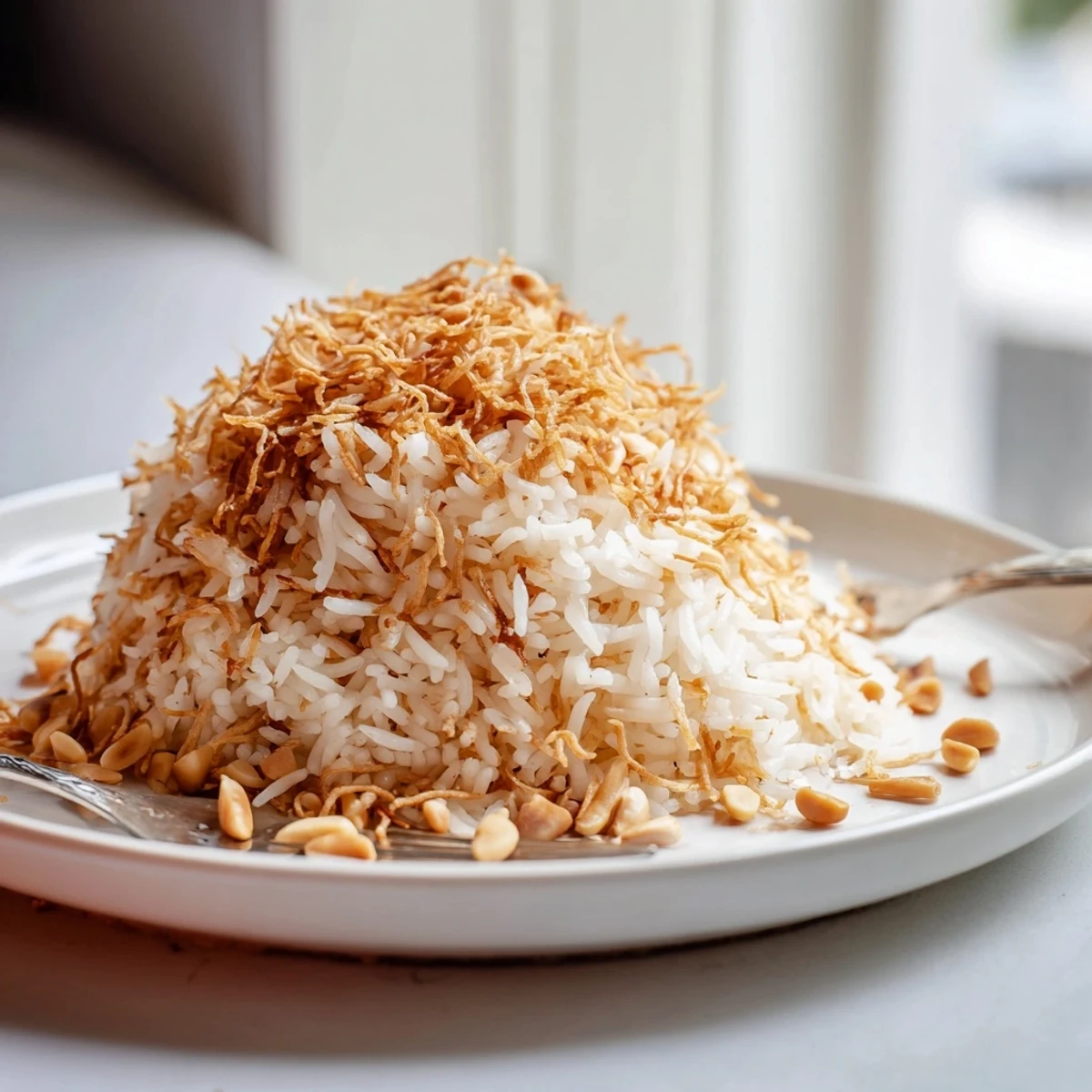
 One Thanksgiving I doubled this recipe and served it alongside roast lamb, and my brother in law ate three helpings while pretending he was not that hungry.
Leftovers and Make Ahead
This rice reheats beautifully with a splash of water and a lid on the pan, and day old leftovers make an incredible fried rice if you toss them into a hot skillet with garlic and whatever vegetables are hanging around your fridge.
Serving Suggestions
It plays well with almost anything saucy or grilled, but I especially love it tucked next to slow braised green beans or a plate of roasted cauliflower with tahini drizzled on top.
Common Mistakes to Avoid
Most home cooks skip the rinsing step or lift the lid during steaming, and both will cost you that signature fluffiness. A few small habits make all the difference.
- Always rinse until the water runs clear, even if the package says pre washed.
- Never lift the lid during the fifteen minute simmer, no matter how curious you are.
- Taste for salt at the end and adjust before serving, since broth and water behave differently.
 Pin it
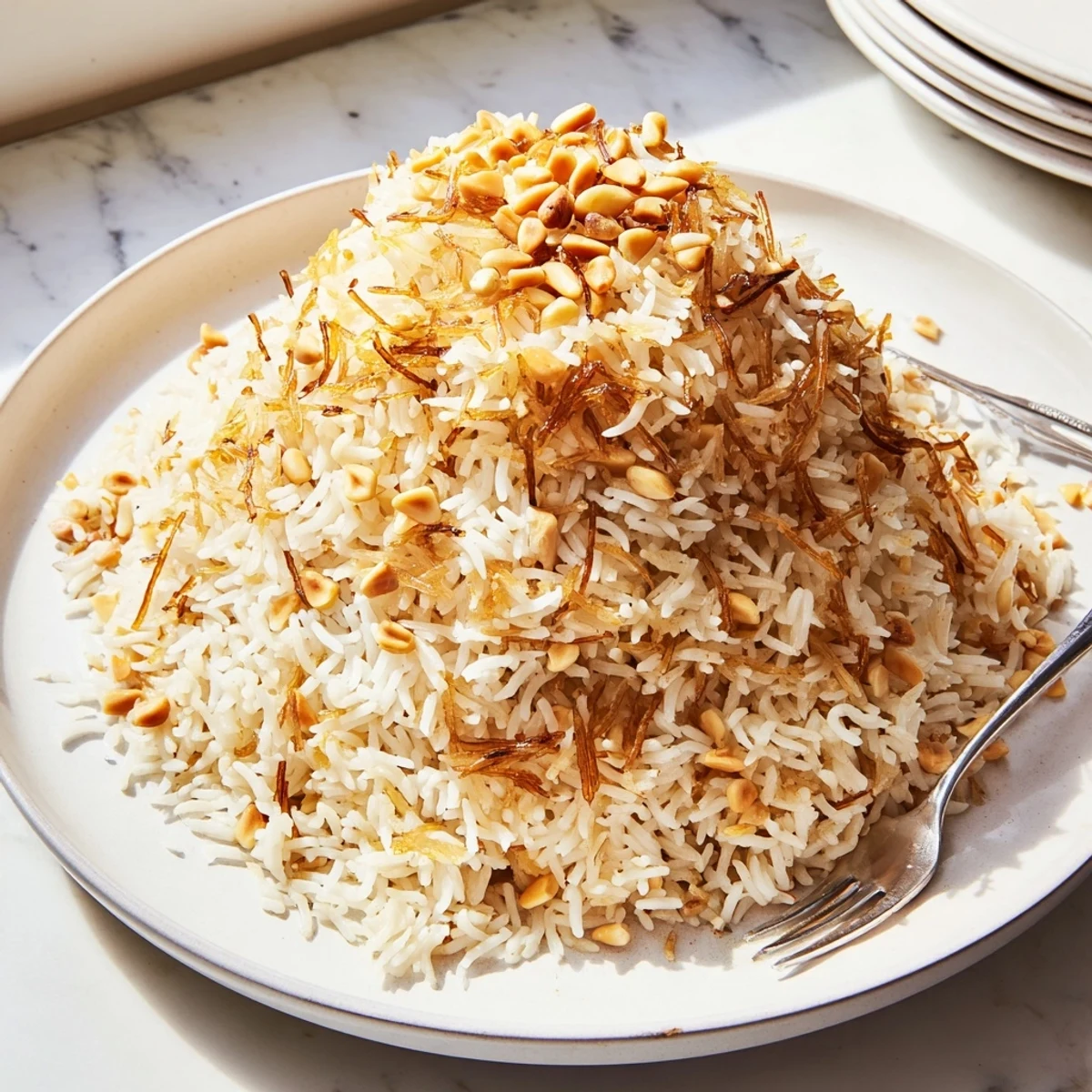
 Keep this recipe in your back pocket for any night that needs a little something extra without any extra effort. It is the kind of side dish that quietly steals the show.
Recipe Questions & Answers
- → Can I use brown rice instead of white rice?
-
Yes, but you will need to adjust the cooking time and liquid ratio. Brown rice typically requires about 40-45 minutes of simmering and may need an additional ½ cup of liquid. The texture will be chewier and less fluffy than with white basmati or jasmine rice.
- → What can I substitute for vermicelli noodles?
-
Broken thin spaghetti, angel hair pasta, or even orzo work as substitutes. The key is toasting them until deep golden brown in the butter or oil, which creates the signature nutty flavor. Avoid using thick pasta shapes as they won't toast evenly.
- → How do I prevent the vermicelli from burning?
-
Stir the vermicelli constantly over medium heat once it starts changing color. The browning happens quickly, typically in 3-4 minutes. Remove the pan from heat immediately once the noodles reach a deep golden brown, as residual heat will continue cooking them.
- → Can I make this dish ahead of time?
-
Yes, Lebanese rice reheats well. Store it in an airtight container in the refrigerator for up to 3 days. Reheat gently in a covered saucepan with a tablespoon of water, or microwave covered. Leftovers also work wonderfully in stir-fried rice dishes.
- → Is Lebanese rice gluten-free?
-
No, traditional Lebanese rice is not gluten-free because the vermicelli noodles contain wheat. You can find gluten-free vermicelli made from rice flour at specialty stores, which would make this dish suitable for those avoiding gluten. Always verify packaged ingredients for hidden allergens.
- → Why should I rinse the rice before cooking?
-
Rinsing removes excess surface starch that causes rice grains to clump together and become gummy. Rinse under cold water, gently swirling with your hand, until the water runs nearly clear. This step ensures each grain cooks up separate and fluffy, which is essential for this dish.