
 Pin it
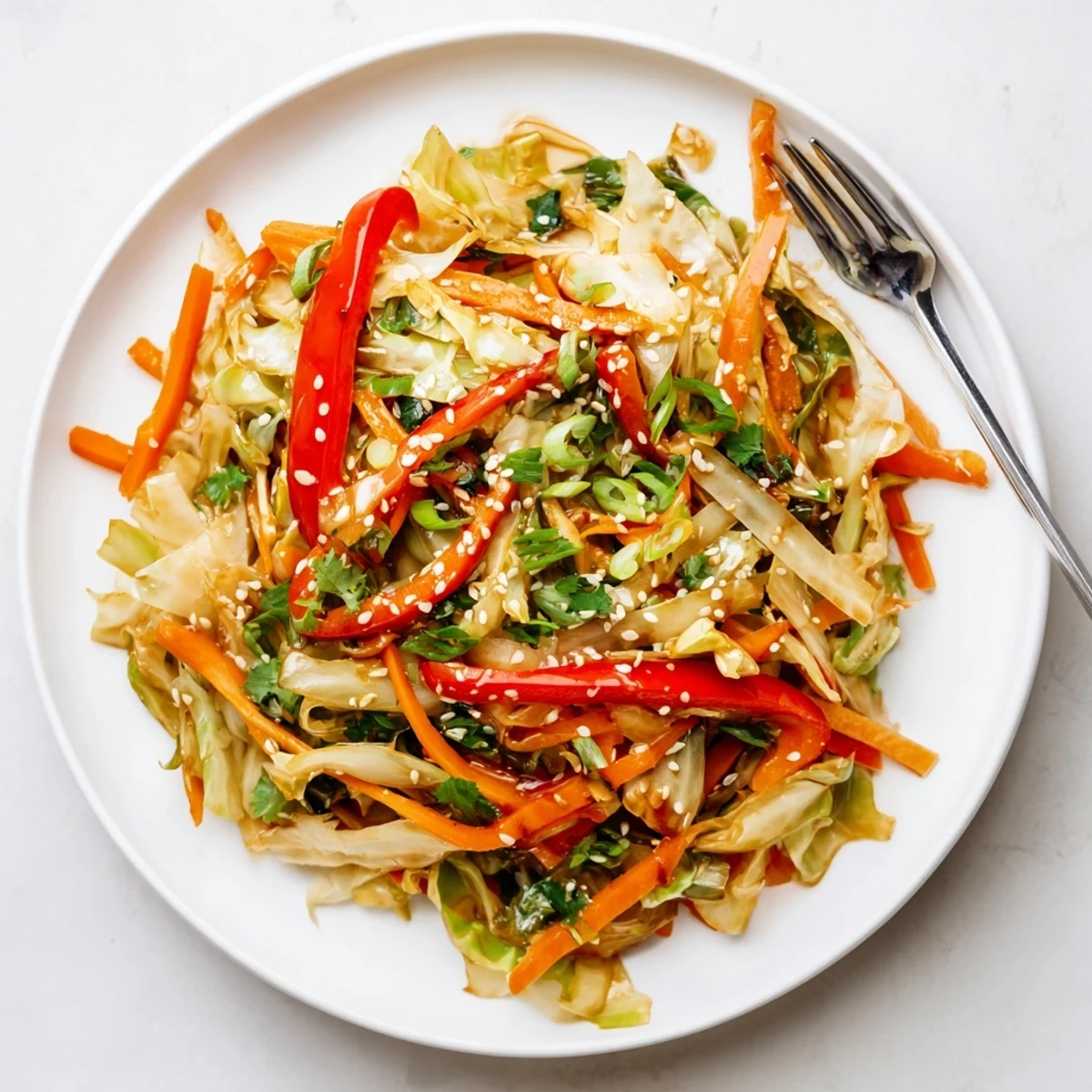
 This Asian-inspired dish transforms simple cabbage into a vibrant, flavorful meal. Thinly sliced green cabbage joins julienned carrots and red bell peppers in a hot wok, cooked until just tender-crisp. The savory sauce combines soy sauce, toasted sesame oil, and rice vinegar with a touch of sweetness, coating every vegetable evenly. Fresh garlic and ginger provide aromatic depth, while sesame seeds add nutty crunch. Ready in just 25 minutes, this versatile dish works perfectly as a light main or healthy side.
The first time I made cabbage stir fry, I was honestly just trying to use up a head of cabbage that had been sitting in my fridge for way too long. I tossed it in a hot pan with whatever vegetables I could find, and somehow what came out was this vibrant, glossy dish that my roommate kept sneaking bites of while I was still cooking. Now it is one of those recipes I turn to when I want something satisfying but not heavy, the kind of meal that leaves you feeling nourished instead of weighed down.
Last winter, my sister came over after a particularly long week at work, and I made this stir fry while she sat at my counter telling me about her day. The smell of garlic and ginger hitting the hot oil filled the whole apartment, and by the time we sat down to eat, she had already forgotten about her stress. That is when I really understood how food can be comfort without being complicated.
Ingredients
- 1 medium head green cabbage, thinly sliced: Green cabbage holds up beautifully to high heat and develops a subtle sweetness as it cooks
- 1 large carrot, julienned: The carrots add a pop of color and a gentle sweetness that balances the savory sauce
- 1 red bell pepper, thinly sliced: Red pepper brings vibrant color and stays slightly crisp for texture contrast
- 2 green onions, sliced: Add these at the end for a fresh bite that cuts through the rich sauce
- 2 cloves garlic, minced: Fresh garlic is non-negotiable here, it creates that aromatic base that makes stir fry smell amazing
- 1-inch piece fresh ginger, grated: Ginger adds warmth and depth, and fresh grated has a brightness you cannot get from powder
- 3 tbsp soy sauce: Use gluten-free if needed, this provides the salty umami foundation of the sauce
- 1 tbsp sesame oil: Toasted sesame oil has such a distinctive nutty flavor, a little goes a long way
- 1 tbsp rice vinegar: A splash of vinegar brightens everything and balances the soy sauce
- 1 tsp maple syrup or honey: Just enough sweetness to round out the salty elements and help the sauce cling to the vegetables
- 1/4 tsp crushed red pepper flakes: Optional, but I love the gentle warmth it weaves through the dish
- 1 tbsp toasted sesame seeds: These add a nutty crunch and make the dish look beautiful
Instructions
- Mix your sauce ahead:
- Whisk together soy sauce, sesame oil, rice vinegar, maple syrup or honey, and red pepper flakes in a small bowl so you are ready to pour it in without scrambling
- Get your wok ripping hot:
- Heat a large wok or skillet over medium-high until you can feel the heat radiating, then add a splash of oil
- Bloom the aromatics:
- Throw in the garlic and ginger and let them sizzle for about 30 seconds until the whole kitchen smells incredible
- Start with the harder vegetables:
- Add carrots and bell pepper first, stir-frying for 2 to 3 minutes until they start to soften but still have crunch
- Add the cabbage:
- Toss in all the sliced cabbage and stir fry for 4 to 5 minutes, just until it begins to wilt and turn glossy
- Pour in the sauce:
- Drizzle that sauce you made earlier over everything and toss vigorously so every piece gets coated
- Finish with fresh elements:
- Cook for just 1 to 2 more minute to meld flavors, then remove from heat and stir in green onions
 Pin it
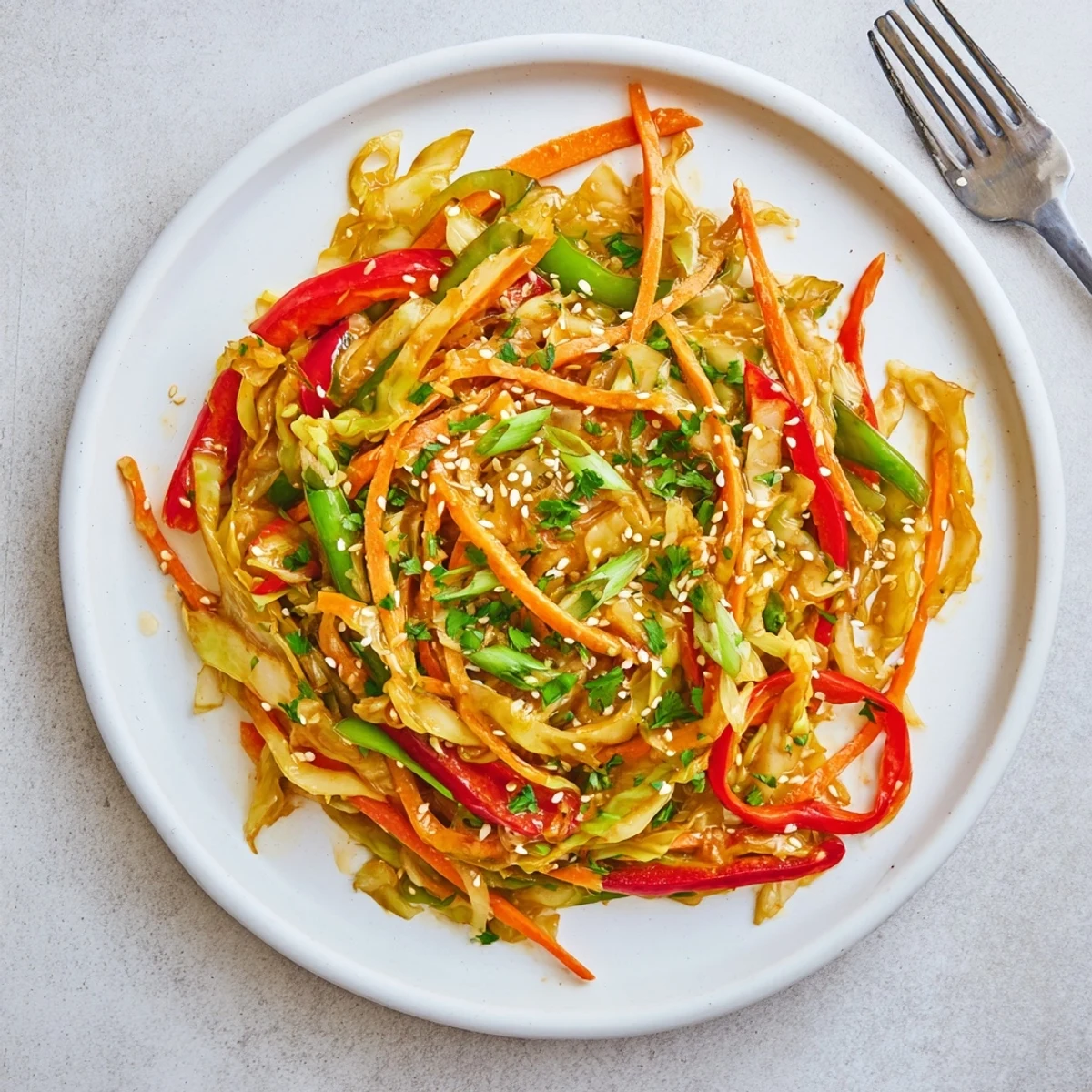
 This recipe has become my go-to for meal prep because the flavors actually improve after a day in the refrigerator. Sometimes I make a double batch and eat it for lunch with a fried egg on top, which feels luxurious somehow.
Making It Your Own
Once you get comfortable with the basic recipe, you will start seeing opportunities to make it yours. I have added everything from edamame to mushrooms to baby corn, and the sauce works with almost any vegetable combination.
Perfecting The Texture
The secret to restaurant-style stir fry at home is keeping the heat high and moving constantly. Do not be afraid of a little smoke, that is the sign you are getting those gorgeous caramelized edges that make stir fry so addictive.
Serving Suggestions
While this is completely satisfying on its own, I sometimes serve it over brown rice or quinoa to make it more filling. A sprinkle of chopped peanuts or cashews at the end adds protein and another layer of crunch.
- Extra protein like tofu or shrimp can be added during step seven
- Chili oil or sriracha works beautifully if you want more heat
- Fresh herbs like cilantro or parsley brighten everything at the end
 Pin it
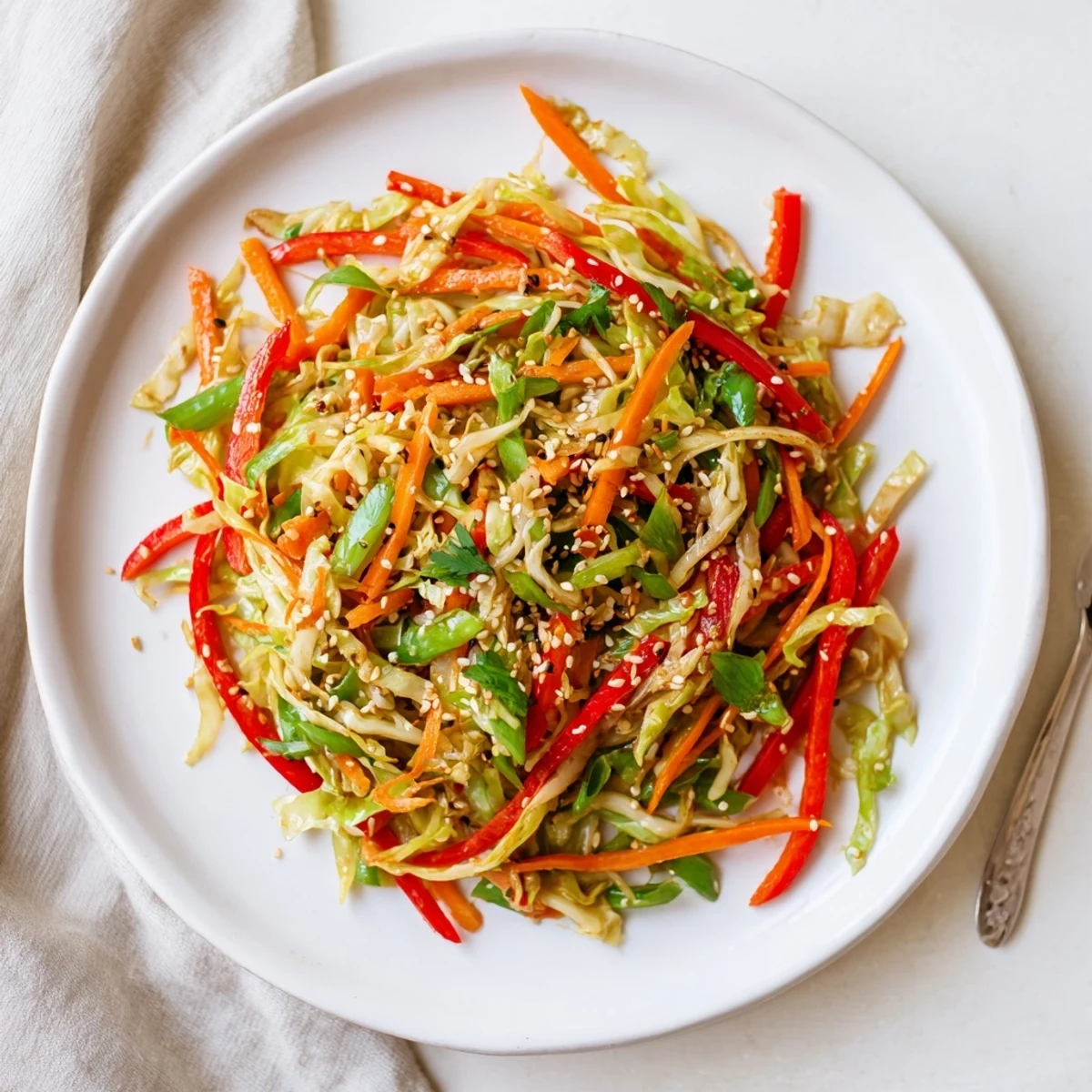
 I hope this becomes one of those recipes you keep coming back to, the kind you can make without even thinking because it lives in your hands and muscle memory.
Recipe Questions & Answers
- → How do I keep the cabbage from getting soggy?
-
Stir fry the cabbage over medium-high heat for just 4-5 minutes until it begins to wilt but still retains some crunch. Avoid overcooking, as the cabbage will continue to soften slightly when tossed with the sauce.
- → Can I make this dish protein-rich?
-
Absolutely. Add cubed tofu, cooked shrimp, or sliced chicken during step 7 when you pour in the sauce. This allows the protein to heat through and absorb the savory flavors.
- → What vegetables can I substitute?
-
Bok choy, snap peas, broccoli florets, or sliced mushrooms work beautifully. The key is maintaining vegetables that cook at similar rates to ensure even doneness.
- → Is this suitable for meal prep?
-
Yes, this stores well in the refrigerator for 3-4 days. The flavors actually develop and meld overnight. Reheat gently in a skillet or microwave, adding a splash of water if needed.
- → How can I adjust the spice level?
-
Increase crushed red pepper flakes for more heat, or substitute with chili oil or sriracha. For a milder version, omit the flakes entirely—the ginger and garlic still provide plenty of flavor.