
 Pin it
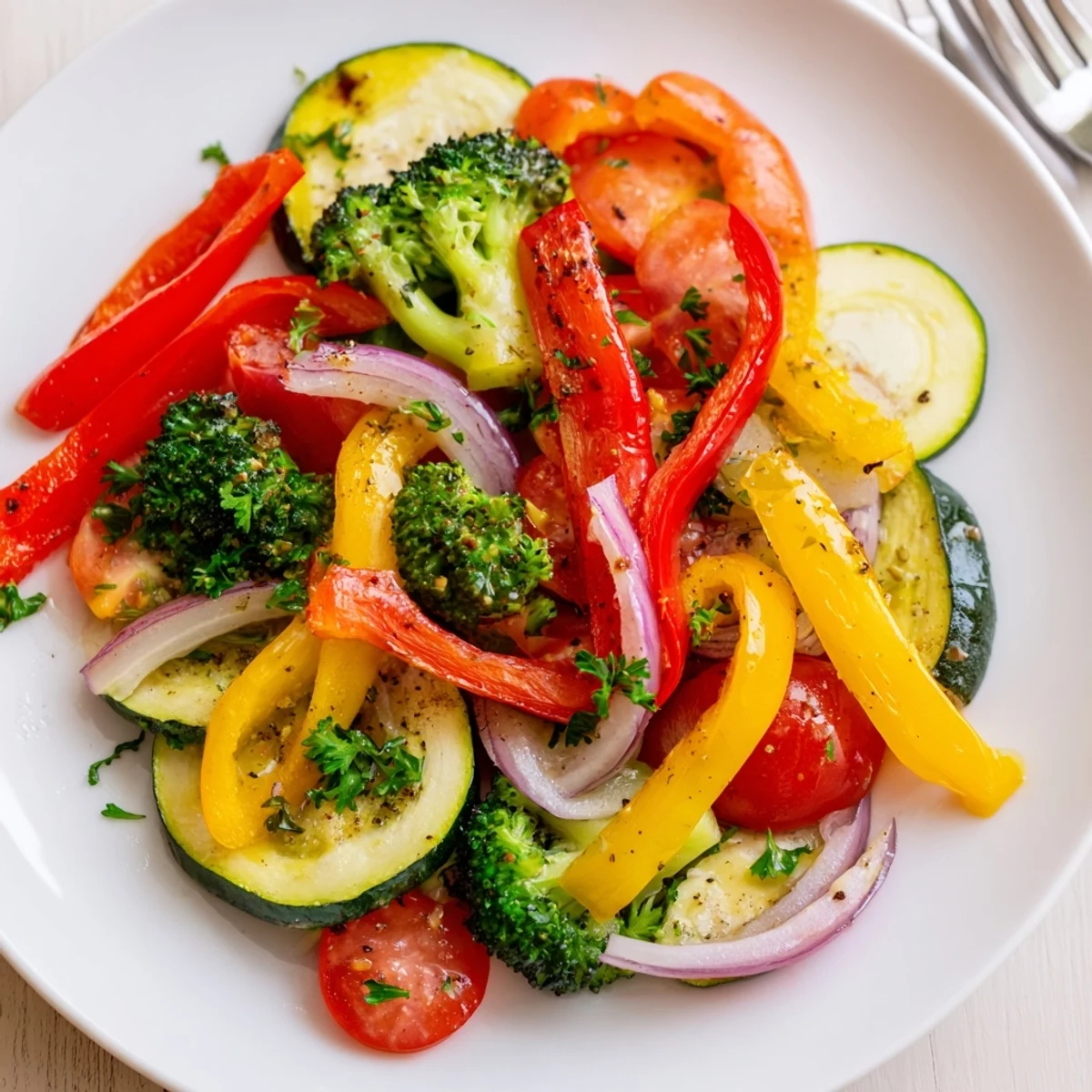
 Gently warm extra virgin olive oil with crushed garlic for 4–6 minutes to extract aroma, then remove the cloves. Increase heat and sauté bell peppers, zucchini and carrots until they begin to soften; add broccoli and red onion and cook until tender-crisp. Toss in cherry tomatoes briefly, season with sea salt, black pepper and optional Italian herbs, and garnish with chopped parsley. Serves four in about 25 minutes.
The kitchen comes alive with the smell of garlic slowly swirling through warm olive oil, sending out invitations to anyone nearby. There’s a certain thrill when I pull out the last bits of vibrant veggies from the fridge—like finding hidden gems waiting to become something colorful. This dish was born out of a spontaneous weeknight, each ingredient tossed in because it felt right and smelled even better. When I first tried this combination, the flavors practically announced they were made for each other.
One evening, my neighbor poked her head in just as the vegetables sizzled their way to tenderness, and the aroma drifted across the hallway. She claimed she could smell dinner before I even knew what I wanted to make. We ended up trading stories while scraping the pan for caramelized bits. I’ve learned that this dish is a conversation starter almost as much as it is a side.
Ingredients
- Extra virgin olive oil: Infuse it low and slow so the garlic flavors bloom—rushing can make the garlic taste bitter.
- Garlic cloves: Lightly crushing them helps release oils while keeping the flavor gentle instead of harsh or overpowering.
- Red and yellow bell peppers: Their sweetness intensifies when sautéed, so let them get just-soft for maximum color and taste.
- Zucchini: Slice into half-moons for even cooking and a pretty presentation—no need to peel.
- Carrot: Diagonal slices bring a bit of crunch and a pop of orange, and cook faster than thick rounds.
- Broccoli florets: Toss in toward the middle to keep that bright green snap.
- Cherry tomatoes: Halve them so their juices escape and mingle with the oil right at the end.
- Red onion: Thin slices melt into the vegetables and add a hint of sweetness in every bite.
- Sea salt and black pepper: Always taste near the end—veggies change as they cook.
- Dried Italian herbs (optional): Sprinkle for a fragrant Mediterranean edge, but don’t overpower those lovely fresh veggies.
- Fresh parsley: Finish with parsley to add a little crunch and a gentle, grassy freshness.
Instructions
- Infuse the oil:
- Add olive oil and crushed garlic to your skillet. Gently warm over medium-low, letting that garlicky aroma bloom for 5 minutes—don’t let it brown or the oil will taste harsh, then remove the garlic when your kitchen smells amazing.
- Sauté the colorful base:
- Raise the heat a tad and toss in your red and yellow peppers, zucchini, and carrot. The sound of veggies hitting the oil is your cue to breathe in; stir them for about 5 minutes until they begin to soften but still pop with color.
- Add the next layer:
- Stir in the broccoli florets and red onion. Cook together for about 4 to 5 minutes, until the broccoli brightens and the onion turns silky.
- Finish with tomatoes and season:
- Toss in the cherry tomatoes; they’ll soften and release a burst of sweetness in a couple minutes. Sprinkle in salt, black pepper, and Italian herbs (if using) as the final tomatoes go in, tasting to get it just right.
- Plate and garnish:
- Take the skillet off the heat. Transfer everything to a serving dish and scatter parsley on top for that fresh, herby finish before digging in while it’s still warm.
 Pin it
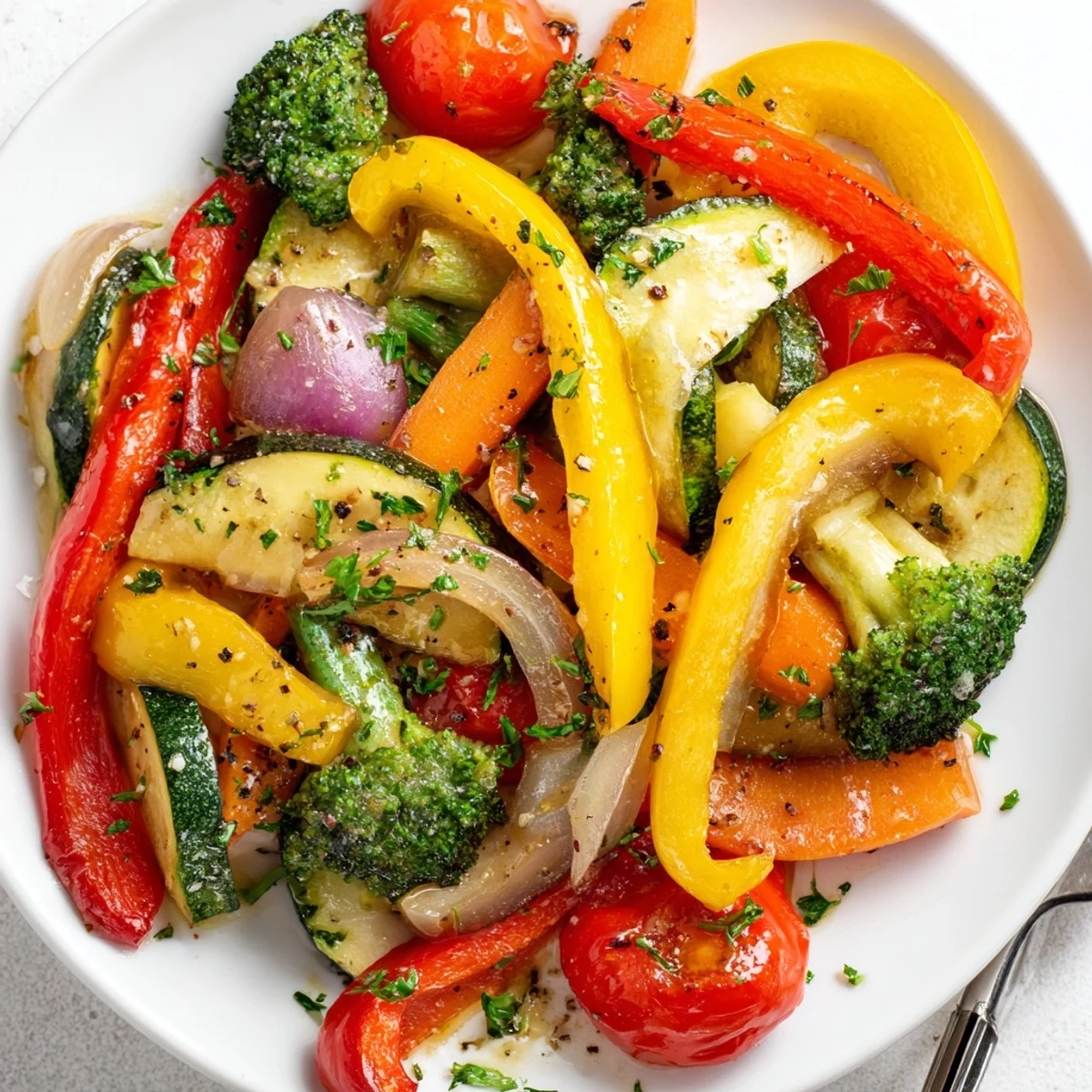
 I watched my friends pluck the shiniest veggies right from the serving dish, laughter echoing over clinks of forks and glasses. At that moment, it was clear that food this simple can still feel a little celebratory.
Swapping In Seasonal Vegetables
I’ve experimented with squash in autumn and crisp asparagus in early spring—just adjust the timing a bit so nothing turns mushy. This recipe plays nicely with almost anything hiding in the crisper drawer.
How To Batch For A Crowd
If you’re making this for a group, use a wider pan or two pans to avoid steaming your veggies instead of sautéing them. Doubling the recipe is easy, but don’t overcrowd the skillet or the color and snap will disappear.
Easy Ways To Serve Up Leftovers
Reheat leftovers in a skillet to bring back the caramelized edges—skip the microwave or you’ll lose that lovely texture. I love piling these veggies over warm grains or tucking them into a crusty sandwich when I want a quick lunch.
- Top a cooked grain bowl with these veggies and maybe a sprinkle of feta.
- Wrap them up in a warm pita for a simple meal.
- Add to tomorrow’s omelet or frittata for a splash of color.
 Pin it
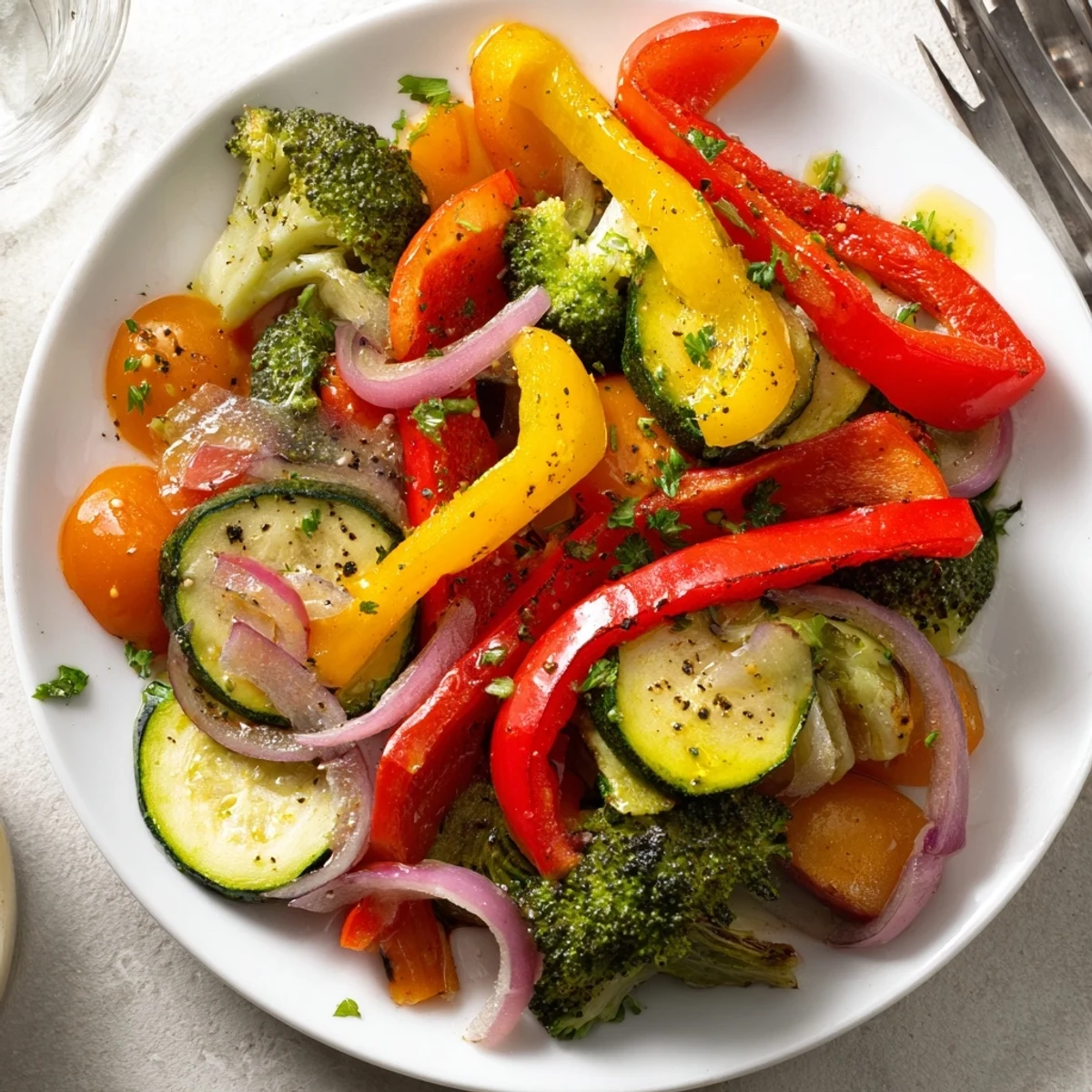
 This colorful skillet blend brightens up any table and feels just as right on a busy Tuesday as it does for an impromptu dinner with friends. I hope you enjoy every garlicky, vibrant bite.
Recipe Questions & Answers
- → How long should I infuse the garlic?
-
Infuse the crushed garlic for about 4–6 minutes over medium-low heat until fragrant but not browned. Browning can turn the garlic bitter, so remove the cloves once the oil is aromatic.
- → What heat level is best for sautéing the vegetables?
-
Start medium-low for the garlic infusion, then use medium to medium-high for sautéing. This lets vegetables soften without losing color or becoming mushy; adjust briefly higher to evaporate excess moisture.
- → Can I substitute other vegetables?
-
Yes. Seasonal choices like asparagus, green beans, eggplant or mushrooms work well. Match cooking times by adding firmer vegetables earlier and delicate ones, like tomatoes, at the end.
- → How do I keep vegetables crisp-tender instead of soggy?
-
Cut pieces to uniform size, avoid overcrowding the skillet, and cook in batches if needed. Stir occasionally and finish on slightly higher heat to preserve a bright, tender-crisp texture.
- → Which oil is best for this method?
-
Extra virgin olive oil lends a Mediterranean character and pleasant fruitiness. Use a good-quality oil and keep temperatures moderate so it doesn’t smoke during the garlic infusion.
- → How should leftovers be stored and reheated?
-
Cool quickly and refrigerate in an airtight container for up to 3 days. Reheat gently in a skillet over medium heat to retain texture, adding a splash of oil if they seem dry.