
 Pin it
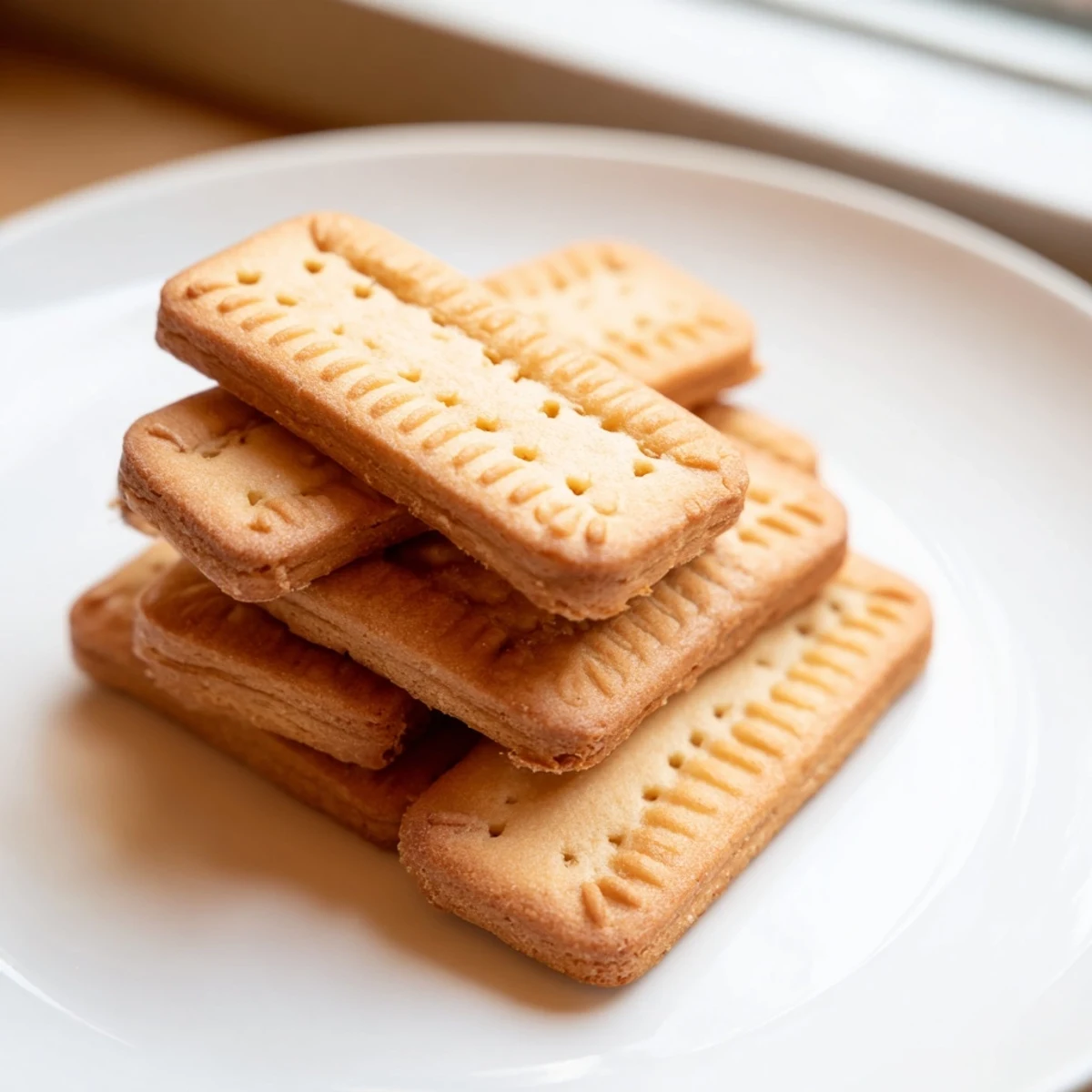
 Le petit beurre est un biscuit français emblématique, reconnaissable à sa forme rectangulaire cannelée et ses picots caractéristiques. Doré et croustillant, il se prépare avec des ingrédients simples : farine, beurre doux, sucre et une touche de vanille.
La pâte nécessite un repos d'une heure au réfrigérateur pour faciliter l'étalage et le découpage. Une fois cuits à 180°C pendant 12 minutes, ces biscuits se conservent parfaitement une à deux semaines dans une boîte hermétique.
Ils accompagnent merveilleusement le thé, le café ou peuvent être dégustés nature, et se prêtent même à des variantes au citron ou enrobés de chocolat.
The afternoon I burned my first batch of petits beurres, my grandmother just laughed and said the smoke was proof I was finally cooking with soul. She had been making these golden French biscuits every Sunday for decades, and her kitchen in Brittany always smelled like warm butter and vanilla before anyone even sat down for tea. I watched her hands work the dough without measuring anything, a habit I have never managed to copy. That tiny failure turned into a ritual I now look forward to every winter weekend.
I once brought a tin of these to a friend who had just moved into a new apartment with nothing but a kettle and bare shelves. We sat on the floor dipping biscuits into strong coffee, and she told me they tasted like something from a childhood she never actually had. That single moment convinced me that simple baking carries more weight than any fancy pastry ever could.
Ingredients
- 200 g all purpose flour: Regular flour works perfectly here because the butter and milk bring enough tenderness to the dough without needing anything fancy.
- 100 g granulated sugar: Not too sweet, just enough to let the vanilla shine through and give the edges a gentle caramel touch in the oven.
- 100 g unsalted butter: Good butter makes all the difference in a recipe with so few ingredients, so use the best you can find.
- 50 ml whole milk: Whole milk creates a richer dough than low fat alternatives and helps everything bind smoothly.
- 5 g baking powder (half a packet): A small amount gives the biscuits a slight lift without turning them into something cakey.
- 1 pinch of salt: Salt sharpens the butter flavor and keeps the sweetness from feeling flat on your tongue.
- 1 vanilla bean (or 1 packet vanilla sugar): Scraping a real bean into the melted butter fills your whole kitchen with something magical, though vanilla sugar works in a pinch.
Instructions
- Melt and blend the base:
- Gently warm the butter with the milk in a small saucepan over low heat until the butter is just liquid, then stir in the sugar and vanilla until everything dissolves into a smooth golden pool.
- Let it cool slightly:
- Pour the warm mixture into a large bowl and give it a few minutes so it does not cook the flour when you add it, which I learned the hard way after creating lumpy paste more than once.
- Bring the dough together:
- Add the flour, baking powder, and salt all at once, then stir with a wooden spoon until the dough pulls away from the sides and feels smooth and cohesive under your hands.
- Rest in the refrigerator:
- Shape the dough into a ball, wrap it tightly in plastic film, and let it chill for a full hour so it firms up enough to roll without sticking to everything.
- Preheat the oven:
- Set your oven to 180 degrees Celsius with conventional heat so the biscuits bake evenly without browning too fast on top.
- Roll and cut:
- Flour your counter lightly and roll the dough out to about 3 or 4 millimeters thick, then use a rectangular scalloped cutter to stamp out the classic petit beurre shape, pressing firmly and close together to get as many as possible from each roll.
- Arrange on the baking sheet:
- Transfer each biscuit onto a parchment lined tray, leaving a small gap between them because they spread just slightly as they bake.
- Prick and bake:
- Dot each biscuit a few times with a fork to give them that signature look, then slide the tray into the oven for about 12 minutes until the edges turn a warm golden brown.
- Cool on a rack:
- Let the biscuits sit on the tray for a minute to firm up, then move them to a wire rack so air circulates underneath and keeps them crisp as they cool completely.
 Pin it
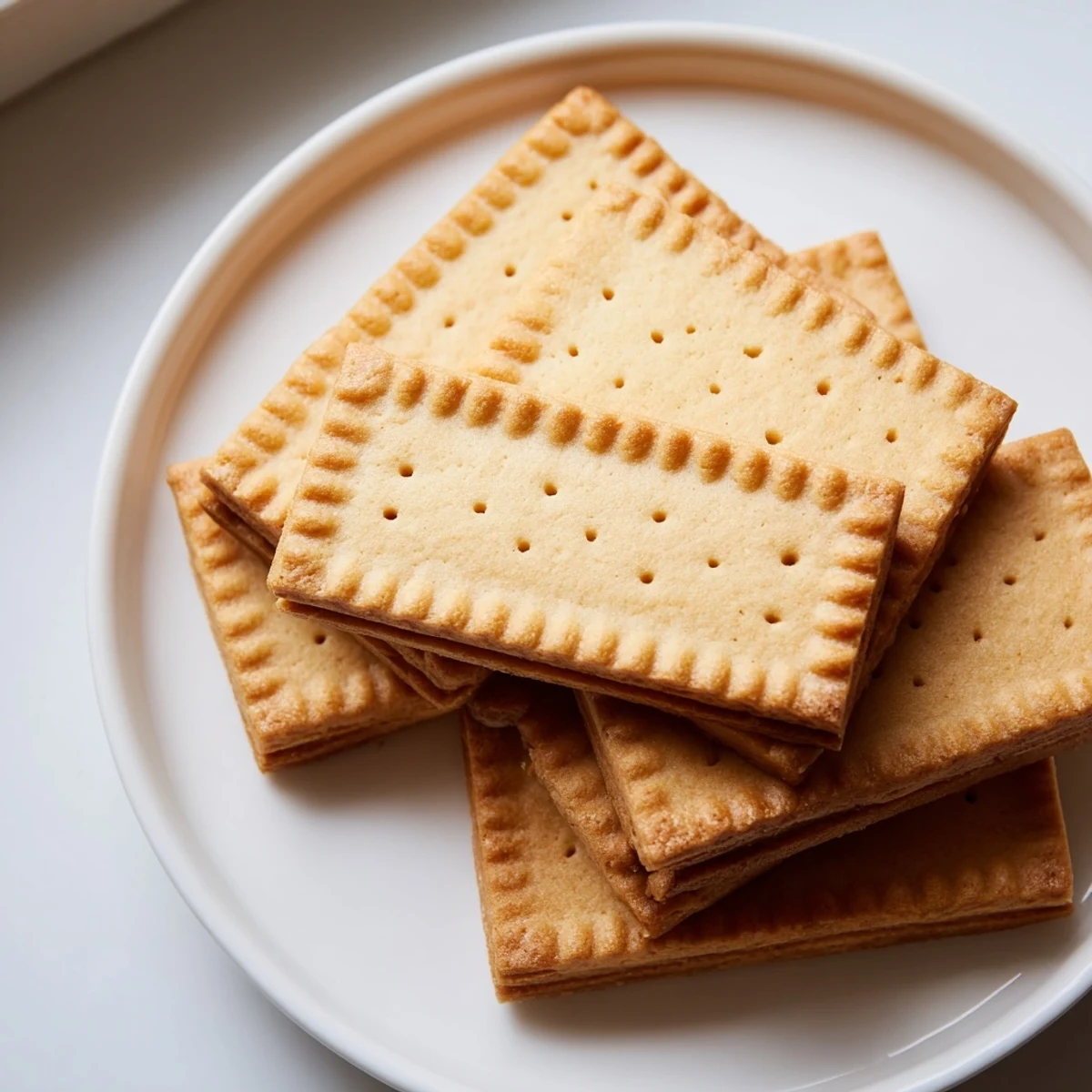
 There is something deeply satisfying about pulling a tray of perfectly golden rectangles from the oven and knowing you made them from scratch with your own hands.
Variations Worth Trying
Once you feel confident with the base recipe, add a tablespoon of lemon zest to the dough for a bright version that pairs beautifully with afternoon tea. Another favorite in my kitchen is melting dark chocolate and dipping half of each cooled biscuit, then letting them set on parchment. The combination of crisp butter biscuit and slightly bitter chocolate is genuinely hard to stop eating.
Storage and Keeping Fresh
Store your petits beurres in an airtight tin at room temperature and they will stay crisp and delicious for up to two weeks, though they rarely last that long in my household. Avoid stacking them too tightly or the bottom layer can develop a slight softness from trapped moisture. A sheet of parchment between layers solves this completely.
Allergens and Nutritional Notes
Each biscuit contains roughly 52 calories, making them a reasonable treat to enjoy without too much guilt alongside your morning coffee. The recipe contains gluten from the flour and dairy from the butter and milk, so adjust accordingly if you are cooking for anyone with sensitivities.
- Always check ingredient labels if baking for someone with allergies, as cross contamination can appear in unexpected places.
- Substituting plant based butter and oat milk works reasonably well, though the flavor shifts slightly.
- Keep homemade biscuits away from store bought ones in the pantry because the moisture difference affects texture.
 Pin it
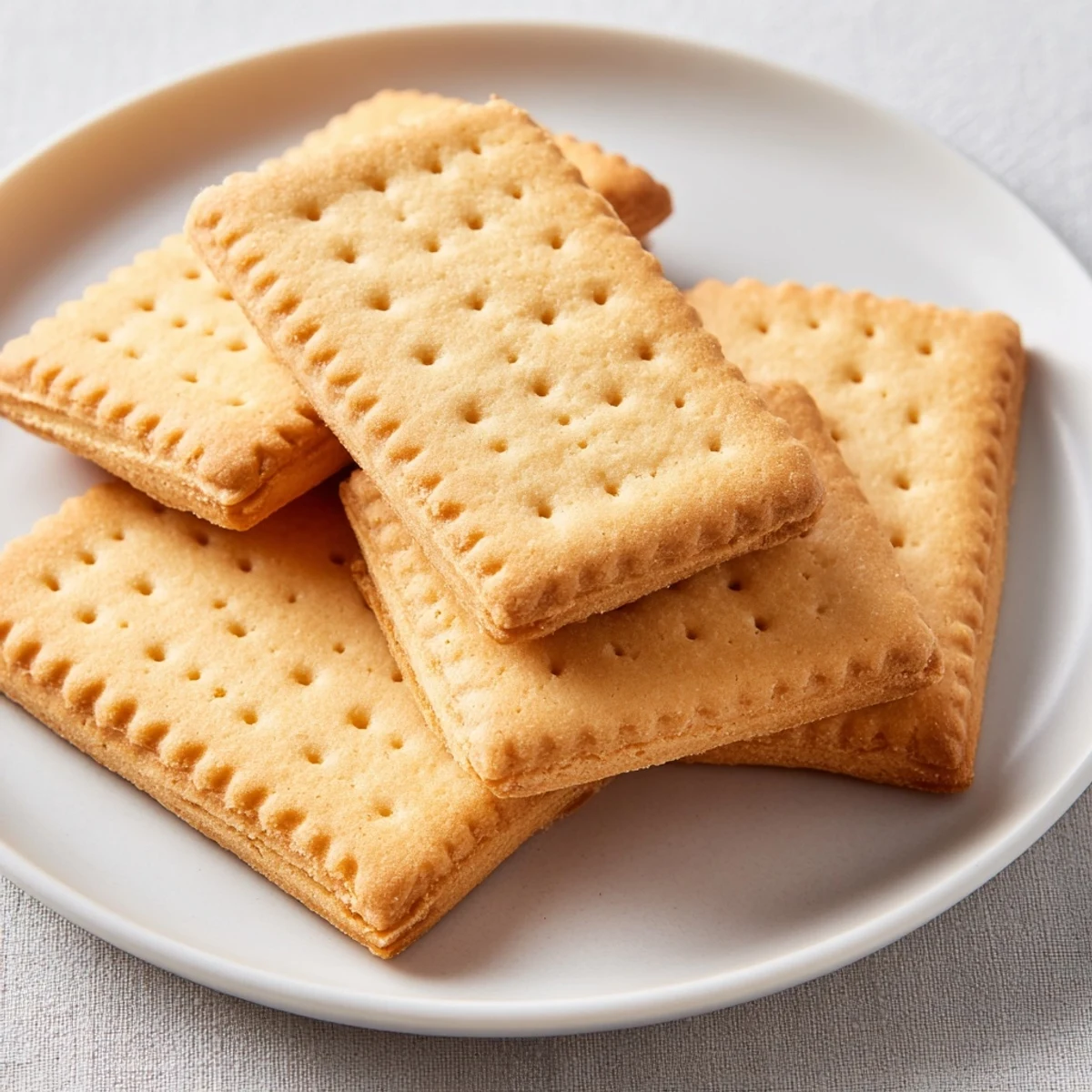
 Every time I dip a homemade petit beurre into a cup of tea, I think of that smoky afternoon in my grandmothers kitchen and smile. These biscuits are proof that the simplest recipes often leave the deepest marks.
Recipe Questions & Answers
- → Pourquoi faut-il laisser reposer la pâte au réfrigérateur ?
-
Le repos d'une heure au froid permet au beurre de se solidifier, ce qui rend la pâte plus facile à étaler et à découper. Il détend également le gluten de la farine pour une texture plus croustillante après cuisson.
- → Peut-on remplacer la levure chimique ?
-
Vous pouvez utiliser un mélange de bicarbonate de soude et de crème de tartre en proportions équivalentes. Le bicarbonate seul fonctionne aussi mais peut légèrement modifier le goût. Sans levée, les biscuits seront simplement plus denses.
- → Comment obtenir la forme traditionnelle du petit beurre ?
-
Utilisez un emporte-pièce rectangulaire cannelé, typique des petits beurre français. Piquez ensuite chaque biscuit avec une fourchette pour reproduire les perforations caractéristiques qui aident à une cuisson uniforme.
- → Quelle épaisseur idéale pour étaler la pâte ?
-
Étalez la pâte sur 3 à 4 mm d'épaisseur. Plus fine, les biscuits deviendront trop cassants. Plus épaisse, ils manqueront de croustillant. Un rouleau à pâtisserie avec des anneaux de calibrage facilite grandement cette étape.
- → Comment bien conserver les petits beurre maison ?
-
Placez-les dans une boîte hermétique à température ambiante, loin de l'humidité. Ils se conservent ainsi une à deux semaines. Évitez le réfrigérateur qui ramollirait leur texture croustillante.
- → Peut-on aromatiser les petits beurre autrement ?
-
Absolument. Ajoutez des zestes de citron ou d'orange à la pâte, un peu de cannelle, de la cardamome ou de l'anis étoilé en poudre. Vous pouvez aussi tremper la moitié des biscuits dans du chocolat fondu une fois refroidis.