
 Pin it
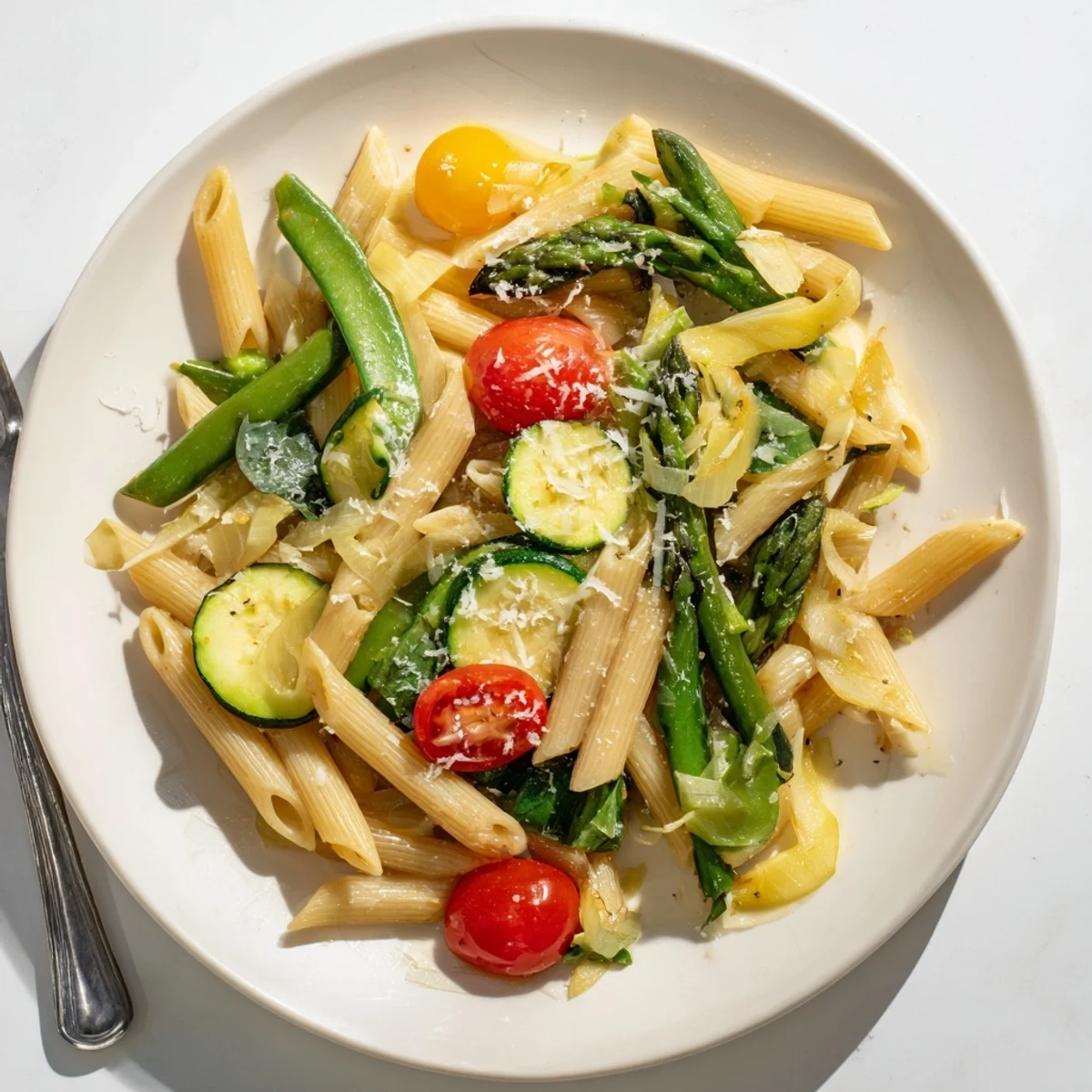
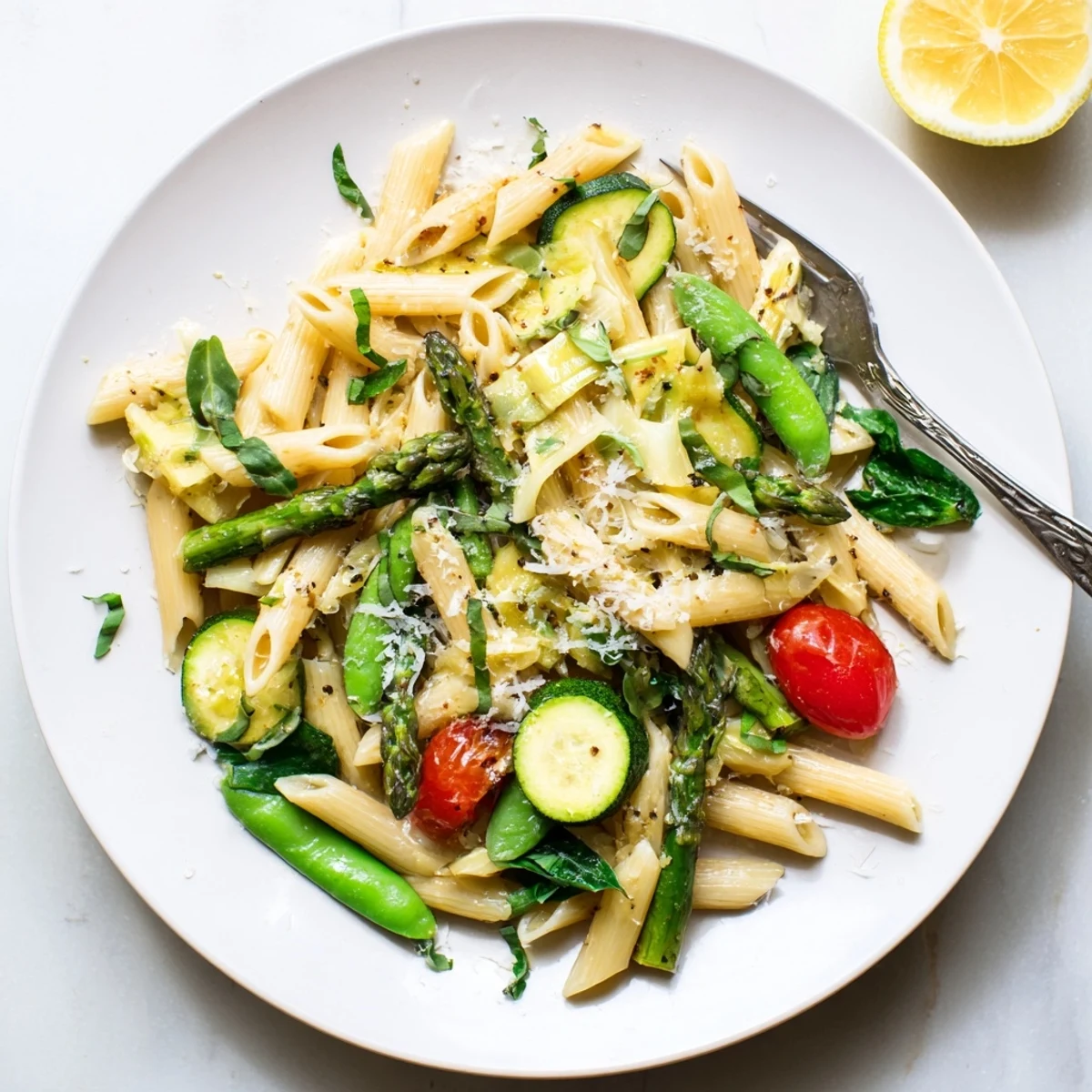
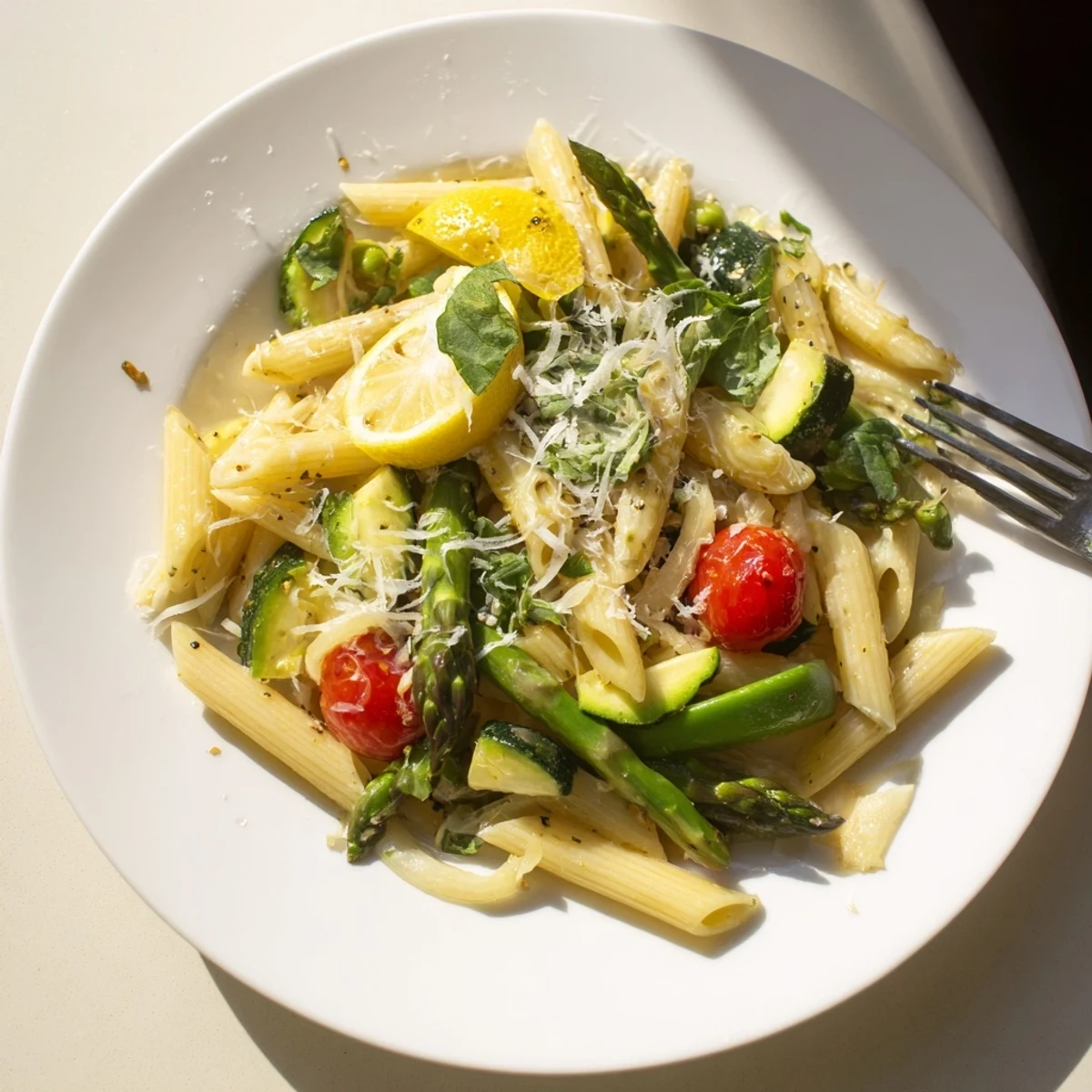
 This one-pot pasta brings together the best of spring vegetables—tender asparagus, crisp sugar snap peas, sliced zucchini, and sweet cherry tomatoes—all cooked directly with penne in a savory vegetable broth. The starch from the pasta naturally creates a light, creamy sauce that clings to every piece, while fresh lemon zest and juice brighten the flavors. Finished with wilted spinach, Parmesan cheese, and fragrant herbs, this Italian-inspired dish comes together in just 35 minutes with minimal cleanup. The result is a vibrant, satisfying vegetarian meal that showcases fresh seasonal produce at its best.
The first time I made this pasta, I stood over the pot watching the broth transform into this impossibly silky sauce. My roommate leaned in and said, wait, you haven't even drained it yet? That exact moment changed how I think about weeknight cooking forever. Now whenever spring vegetables hit the markets, this is the recipe that pulls me into the kitchen without hesitation.
Last April, my sister came over exhausted from a twelve-hour shift. I set this pot on the table steaming and fragrant, and she literally paused mid-sentence to inhale. By the time we finished eating, she was already asking when I could teach her the trick with the broth. That is the kind of dinner that turns a Tuesday into something worth remembering.
Ingredients
- 340 g (12 oz) penne or fusilli pasta: Short pasta shapes hold onto the creamy sauce perfectly and cook evenly in the broth
- 1 liter (4 cups) low-sodium vegetable broth: This becomes the base of your sauce, so choose one you actually enjoy drinking straight
- 250 ml (1 cup) water: Extra liquid ensures the pasta has enough room to cook without becoming too salty
- 1 cup asparagus, cut into 2.5 cm (1-inch) pieces: Fresh asparagus adds a grassy sweetness that screams spring
- 1 cup sugar snap peas, trimmed: These stay crunchy even after cooking, providing perfect texture contrast
- 1 cup zucchini, halved and sliced: Zucchini melts into the sauce slightly while maintaining shape
- 1 cup baby spinach: Added at the very end to keep its bright color and fresh taste
- 1 cup cherry tomatoes, halved: They burst gently in the heat, releasing juices that blend with the pasta starch
- 1 small leek, white and light green part, sliced: Leeks offer a milder, sweeter onion flavor that complements spring vegetables
- 2 cloves garlic, minced: Fragrant foundation that infuses the entire dish
- 2 tbsp olive oil: Creates a silky mouthfeel and carries the garlic flavor
- 1 tsp lemon zest: Brightens all the rich, starchy flavors
- 2 tbsp lemon juice: Adds just enough acid to make everything taste alive
- 1/4 cup grated Parmesan cheese: Nutty, salty finish that pulls everything together
- Salt and black pepper, to taste: Essential final seasoning to make flavors pop
- 2 tbsp chopped fresh basil or parsley: Fresh herb garnish that makes the dish look and taste finished
Instructions
- Build your flavor foundation:
- Heat olive oil in a large, deep skillet over medium heat. Add sliced leek and minced garlic, sautéing until soft and fragrant, about 2 minutes. This step infuses the oil with aromatics that will distribute through every bite.
- Start the pasta magic:
- Add the pasta, vegetable broth, and water to the skillet. Bring everything to a boil, stir once to prevent sticking, then reduce heat to a gentle simmer. Let cook, stirring occasionally, for 8 minutes as the pasta begins releasing starch into the liquid.
- Add the heartier vegetables:
- Stir in asparagus, sugar snap peas, and zucchini. Continue cooking for another 7 minutes, or until pasta is tender and most liquid has absorbed into a creamy sauce. The vegetables should be bright and easily pierced with a fork.
- Finish with delicate touches:
- Stir in spinach, cherry tomatoes, lemon zest, lemon juice, and Parmesan. Cook for 2 more minutes until spinach is wilted and tomatoes are warmed through. Season generously with salt and black pepper, then remove from heat.
- Serve immediately:
- Sprinkle with fresh basil or parsley and extra Parmesan if desired. The pasta continues absorbing liquid, so serve while there is still plenty of silky sauce coating each piece.
 Pin it
 My mother called me mid-recipe once, asking what smelled so incredible. When I explained it was just pasta and vegetables cooked together, she was genuinely skeptical. Two weeks later she texted me a photo of her own pot, saying this is now the only way she makes pasta anymore. Some recipes just work like that.
Making It Your Own
Swap vegetables based on what looks fresh at the market or what needs using from your refrigerator. Peas, green beans, or even diced bell peppers work beautifully in place of or alongside the spring vegetables listed. The method stays the same regardless of what you add.
Pairing Suggestions
A crisp white wine like Sauvignon Blanc cuts through the starch and complements the vegetables. For a complete meal, serve with a simple green salad dressed with vinaigrette and some crusty bread to soak up any remaining sauce.
Storage and Reheating
This pasta keeps well in the refrigerator for up to three days. When reheating, add a splash of water or broth to loosen the sauce, as pasta continues absorbing liquid as it sits. The vegetables will soften slightly but the flavors actually deepen overnight.
- Store in an airtight container to prevent the pasta from drying out
- Reheat gently over medium-low heat, stirring frequently to prevent sticking
- The microwave works in a pinch, but the stovetop preserves texture better
 Pin it
 There is something deeply satisfying about a dinner that feels special yet requires almost no cleanup. This pasta has become my go-to for busy weeknights when I still want something that tastes like it took all day.
Recipe Questions & Answers
- → Can I use different pasta shapes?
-
Yes, penne and fusilli work beautifully, but other short pasta shapes like rigatoni, cavatappi, or farfalle also catch the sauce well and cook evenly in the broth.
- → What other spring vegetables can I add?
-
Fresh peas, fava beans, green beans, or even thinly sliced artichokes make excellent additions. Just add them at the same stage as the other vegetables.
- → How do I store leftovers?
-
Store in an airtight container in the refrigerator for up to 3 days. The pasta will continue absorbing liquid, so add a splash of water or broth when reheating.
- → Can I make this vegan?
-
Absolutely. Simply omit the Parmesan cheese or use a plant-based alternative. The pasta still creates a creamy, satisfying texture from the starch alone.
- → Why cook pasta directly in the broth?
-
Cooking pasta in the broth releases starch into the liquid, naturally thickening it into a light sauce that's more flavorful than water. This technique also infuses the pasta with vegetable flavor.