
 Pin it
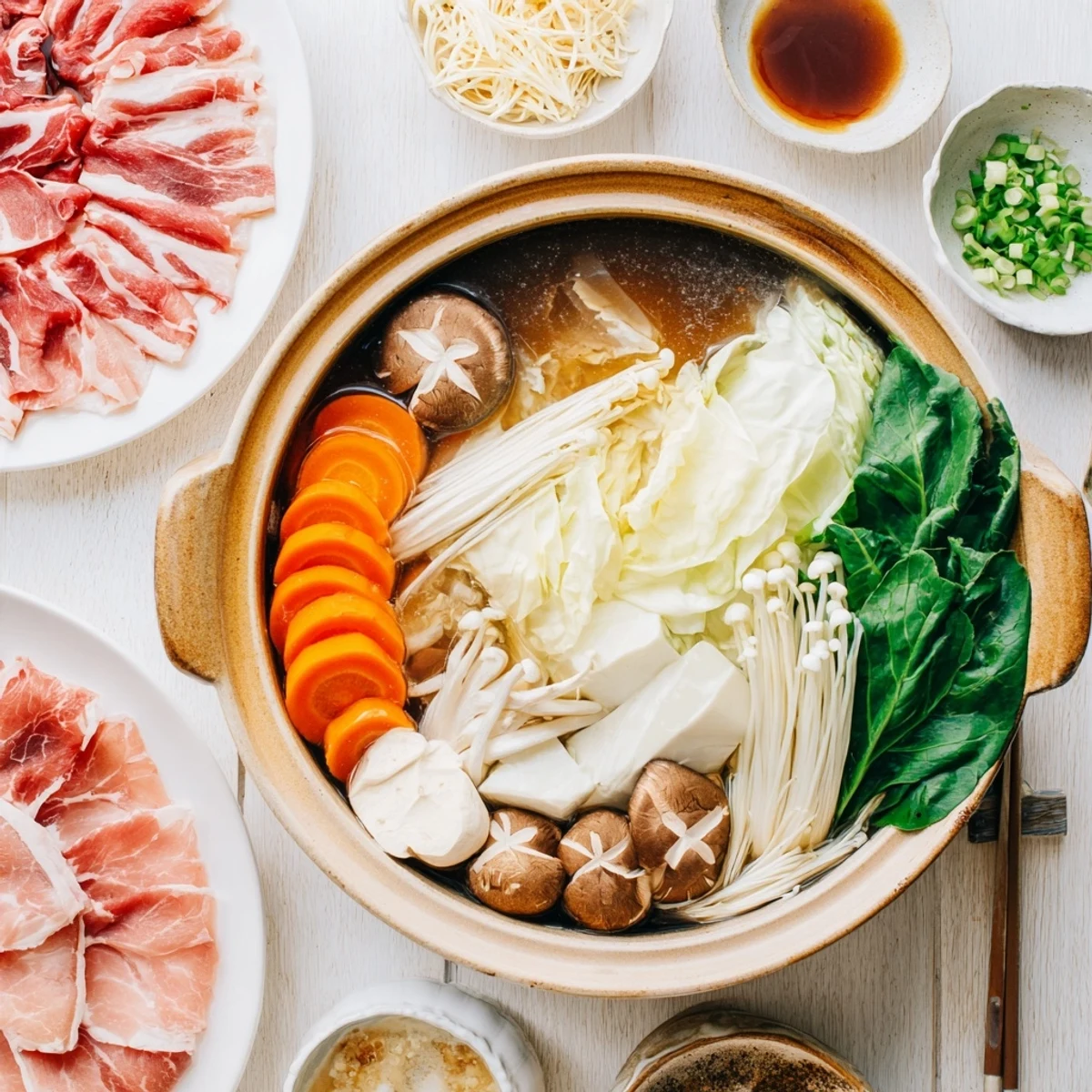
 Experience the interactive dining tradition of shabu shabu, where thinly sliced beef and pork meet an array of fresh vegetables in a simmering dashi broth. Each diner swishes ingredients until just cooked, then dips them into tangy ponzu or creamy sesame sauce. The communal meal concludes with udon noodles absorbing the rich, flavorful broth for a satisfying finish.
My friend Yuki introduced me to shabu shabu during a freezing Tokyo winter, huddled around a steaming pot in her tiny apartment. The ritual of swishing paper-thin beef through dashi felt almost meditative, and I loved how everyone became part of the cooking process. Now it's my go-to for dinner parties because it turns eating into an event.
Last winter, I served this to my family on Christmas Eve instead of the usual roast. My dad was skeptical about cooking his own dinner, but by the end of the night he was the one announcing when each piece of pork was perfectly done. The lingering warmth of that meal stayed with us long after the pot was empty.
Ingredients
- 8 cups dashi stock: The foundation of everything, though low-sodium chicken broth works in a pinch
- 2-inch piece kombu: Adds that subtle ocean depth that makes dashi taste authentic
- 400 g thinly sliced beef sirloin: Ask your butcher to slice it paper-thin or freeze briefly and slice yourself
- 200 g thinly sliced pork loin: Optional but adds lovely variety and richness
- 1/2 Chinese cabbage: Sweet and tender when simmered, absorbs all that broth flavor
- 1 bunch spinach: Wilts beautifully into the hot liquid
- 1 large carrot: Thin slices add sweetness and color contrast
- 200 g shiitake mushrooms: Earthy umami bombs that deepen the broth as they cook
- 200 g enoki mushrooms: Delicate and fun to eat, like tiny noodle forests
- 1 leek: Mild onion sweetness that mellows even more in the simmer
- 1 block tofu: Silken feels luxurious, firm holds up better if you prefer substance
- 200 g udon noodles: The grand finale that soaks up all those hours of flavor
- 1/2 cup ponzu sauce: Bright citrusy tang that cuts through rich meats
- 1/2 cup sesame sauce: Creamy and nutty, perfect for heartier vegetables
- 2 green onions: Fresh sharpness to scatter over everything
- 2 tbsp toasted sesame seeds: Crunch and warmth for the finishing touch
Instructions
- Build your broth base:
- Gently heat the dashi with kombu, pulling the kelp out right before bubbles appear to prevent bitterness. Keep it at a lazy simmer throughout the meal.
- Create the table spread:
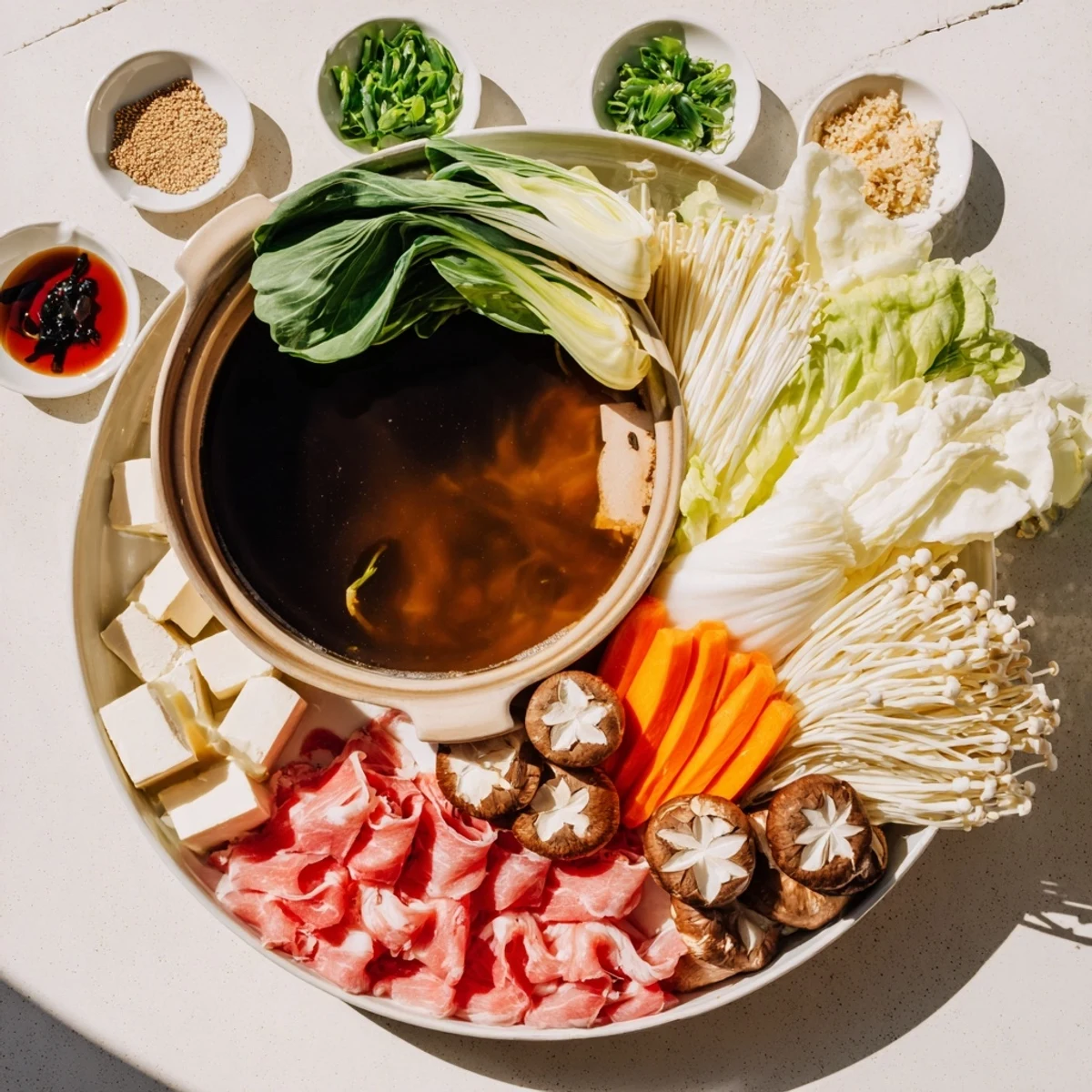
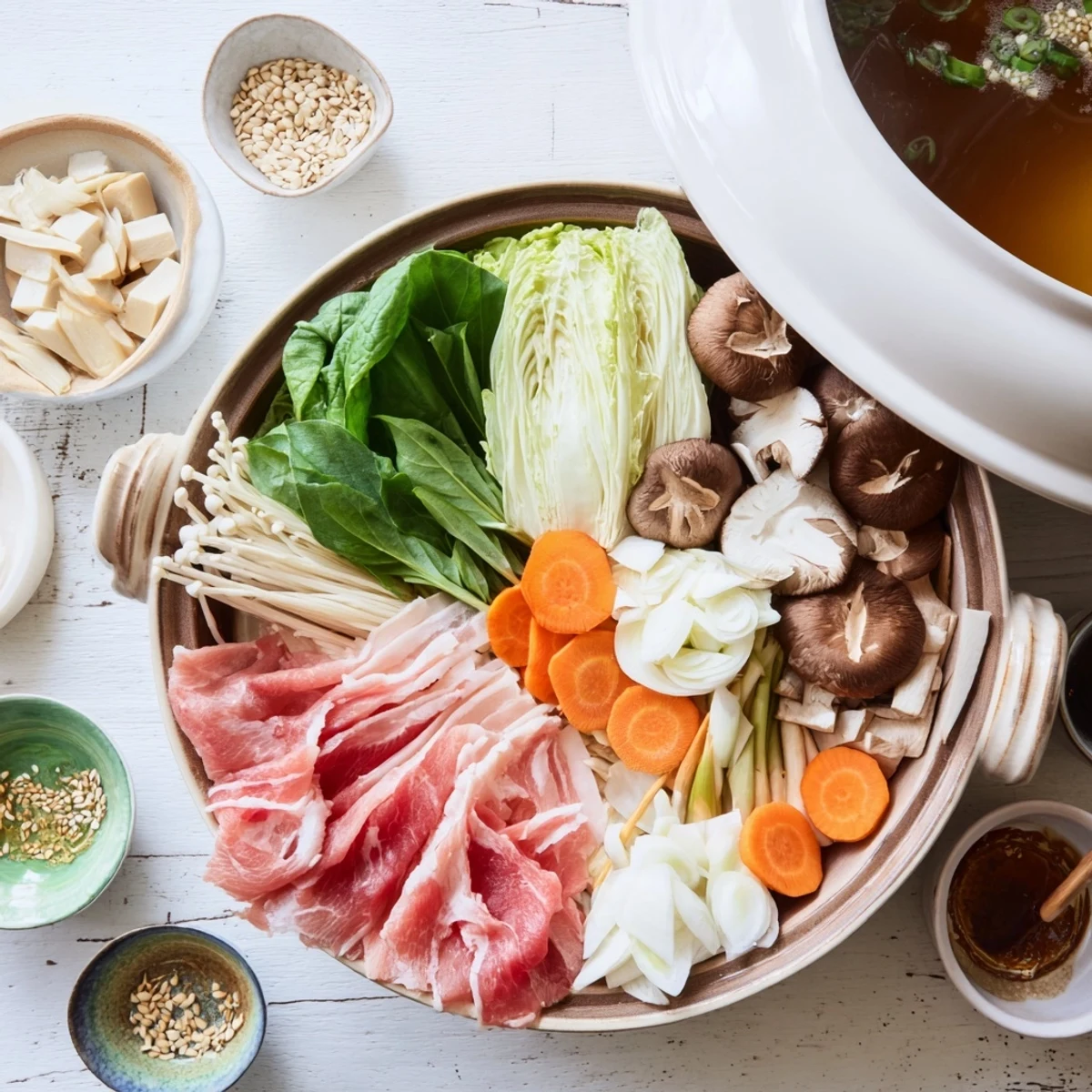
- Arrange everything on platters with some care, because part of the joy is how beautiful it looks. Group vegetables by type and fold the meat slices so guests can easily grab single pieces.
- Set the stage:
- Position your portable burner where everyone can reach safely, and set out dipping bowls and small plates. The closer everyone is to the action, the more fun it becomes.
- The swishing ritual:
- Show everyone how to glide meat through the broth for just seconds until pink turns to pale. Vegetables need a bit more time, maybe a minute or two depending on thickness.
- Sauce selection:
- Ponzu loves beef and lighter vegetables, while that creamy sesame sauce clings beautifully to tofu and pork. Encourage mixing and matching.
- Noodle finale:
- When everyone's satisfied with the main course, drop in those udon noodles to drink up all that concentrated flavor. This might actually be the best part.
- Final touches:
- Scatter green onions and sesame seeds over the noodles, letting everyone add more to their individual bowls as they please.
 Pin it
 Something magical happens when people cook together, even if it's just dipping meat into broth. The conversation flows differently, somehow more intimate, like we're all in on a secret that restaurants never quite capture.
Choosing Your Meats
I've learned that marbling matters more than you might think. The fat melts into the broth, creating richness that builds with every piece cooked. If you can find wagyu, even in small amounts, it transforms the entire experience into something extraordinary.
Vegetable Prep Wisdom
Not everything should go in at once. Hard carrots need more time than delicate spinach, and mushrooms release water that can dilute your broth if you crowd the pot. I keep a small plate beside the burner for ingredients that need a head start.
Sauce Secrets
Store-bought ponzu varies wildly in quality, so taste before serving and adjust with a splash of rice vinegar or more citrus if it feels flat. For the sesame sauce, a tiny pinch of sugar balances the salt and makes everything taste more cohesive.
- Mix chopped daikon radish into ponzu for extra crunch and freshness
- Add a drop of chili oil to sesame sauce if you like heat
- Keep extra broth warm nearby in case you need to top off the pot
 Pin it
 The best meals leave you warm in more ways than one. This hot pot has become my favorite way to gather people, feeding bodies and memories all at once.
Recipe Questions & Answers
- → What does shabu shabu mean?
-
Shabu shabu refers to the swishing sound made when thin meat slices are moved through the hot broth using chopsticks. This onomatopoeic term describes the gentle cooking motion that perfectly tenderizes the meat.
- → What type of meat works best?
-
Thinly sliced beef sirloin or ribeye are traditional choices, though pork loin, chicken, or seafood make excellent alternatives. The key is having paper-thin slices that cook instantly in the simmering broth.
- → Can I make this vegetarian?
-
Absolutely. Use kombu dashi for the broth and load up on tofu, mushrooms, cabbage, spinach, and noodles. The dipping sauces provide plenty of savory depth without any meat required.
- → What's the difference between ponzu and sesame sauce?
-
Ponzu is a citrus-based sauce with a bright, tangy profile that cuts through rich meats. Sesame sauce (goma dare) offers a creamy, nutty complement that coats vegetables and tofu beautifully. Using both creates a perfect flavor balance.
- → How do I prevent overcooking the ingredients?
-
Work in small batches and watch carefully—thin meat needs just 10-15 seconds, while vegetables take 1-2 minutes depending on thickness. The broth should stay at a gentle simmer rather than a rolling boil.
- → What can I serve with shabu shabu?
-
Light sake or green tea pair beautifully. Add steamed rice on the side for those who want extra substance. The meal is quite filling on its own, but pickled vegetables make a nice starter.