
 Pin it
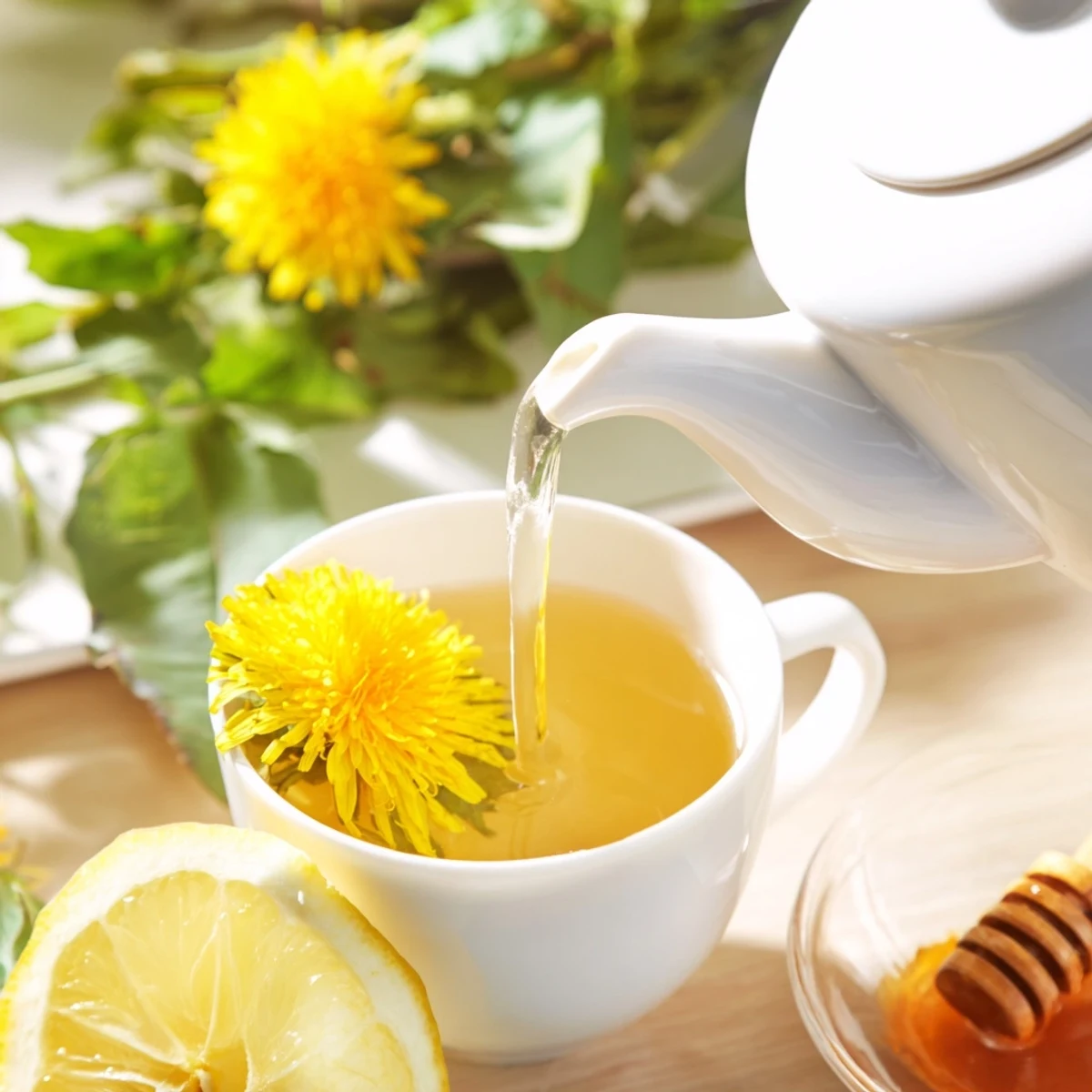
 Dandelion tea transforms simple flowers and leaves into a restorative herbal brew. This light, earthy infusion combines thoroughly washed fresh petals with filtered water, steeping for 8–10 minutes to release natural compounds. The resulting amber cup delivers gentle detoxifying support while aiding digestion. Customize your cup with honey for sweetness or fresh lemon for brightness. Whether using vibrant fresh blooms or dried reserves, this traditional European beverage offers accessible wellness in every soothing sip.
My grandmother first showed me how to harvest dandelions from her backyard, insisting these so-called weeds were actually nature's little gifts. She would carefully pick the bright yellow flowers on sunny mornings when they were fully open, explaining that's when they're most potent. I remember thinking she was slightly eccentric until that first warm cup of golden tea changed my entire perspective on foraging.
Last spring, my neighbor watched me collecting dandelions and asked if I needed help with yard work. When I explained I was making tea, she looked at me like I had three heads until I brought her a mug the next morning. Now she texts me every April asking when dandelion season begins, and we've turned our annual harvest into a small neighborhood gathering.
Ingredients
- Dandelions: Fresh petals and leaves harvested from areas you know are chemical free, or dried if foraging season has passed
- Water: Filtered water makes a noticeable difference since pure ingredients really shine in simple preparations
- Honey or maple syrup: Just a touch rounds out the natural bitterness without overpowering the delicate flavor
- Lemon: Adds brightness that cuts through earthy notes and helps extract beneficial compounds
Instructions
- Clean your harvest:
- Rinse everything thoroughly under cool running water, gently separating petals from the green base if you want a lighter flavor
- Heat the water:
- Bring your filtered water to a rolling boil, then let it sit for about thirty seconds so it's not quite violently boiling
- Combine and steep:
- Place your dandelion parts in a teapot, pour the hot water over them, and cover immediately to trap those aromatic oils
- Wait patiently:
- Let everything steep for eight to ten minutes, watching the water transform into a warm golden color
- Strain and customize:
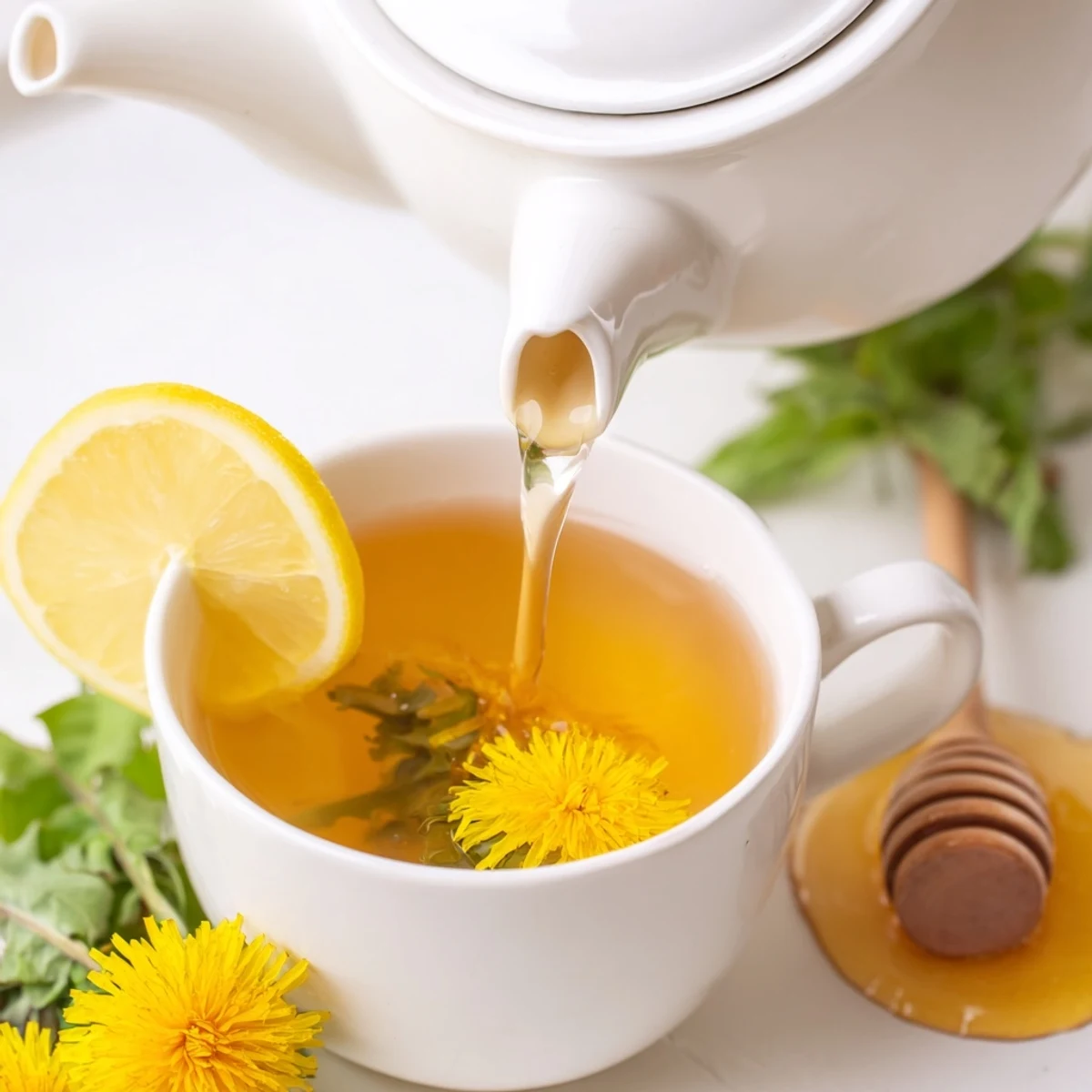
- Pour through a fine mesh strainer into your favorite mug, then sweeten or add lemon to taste
 Pin it
 My daughter now spots dandelions everywhere we go and excitedly asks if we can make sunshine tea. There's something beautiful about passing down knowledge that connects us to the land and turns ordinary weeds into moments of warmth and connection.
Choosing Your Dandelions
I've learned that the bright yellow flowers produce a lighter, more floral tea while the darker green leaves create something earthier and more medicinal. The stems can add bitterness, so I usually remove them unless I'm in the mood for something robust. Trust your instincts and adjust based on what tastes good to you.
Storage and Preservation
Fresh dandelions are best used immediately, but you can dry extras by spreading them on a baking sheet in a warm, airy spot for a few days. Store dried portions in a glass jar away from light and they'll keep for months. I always label my jars with the harvest date since potency fades over time.
Serving Suggestions
This tea is wonderful on its own, but I've also enjoyed it chilled with fresh mint in summer. Some friends swear by a splash of milk for a creamier version, though that's not traditional. You can also use it as a base for herbal iced teas mixed with fruit juices.
- Try it alongside a light breakfast or as an afternoon pick-me-up
- Make a larger batch and store it in the refrigerator for up to two days
- Experiment with adding other gentle herbs like chamomile or lemon balm
 Pin it
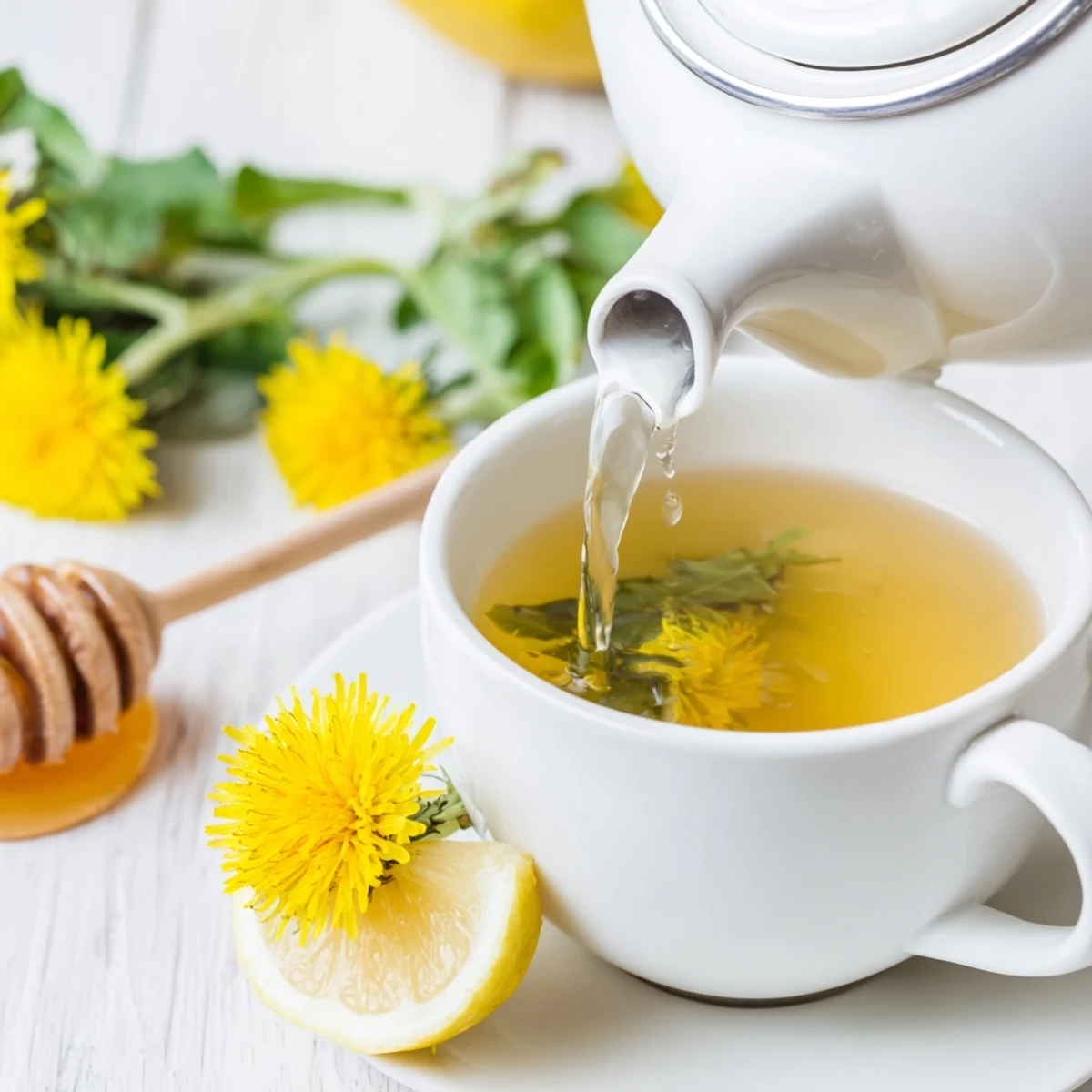
 Every cup of dandelion tea feels like a small act of rebellion against food waste and a celebration of what grows right under our feet. Here's to finding abundance in unexpected places.
Recipe Questions & Answers
- → What does dandelion tea taste like?
-
Dandelion tea offers a light, earthy flavor profile with subtle floral notes. The fresh petals contribute gentle sweetness while the leaves add mild bitterness reminiscent of arugula or radicchio. The taste is delicate rather than overpowering, making it an approachable herbal infusion for beginners and enthusiasts alike.
- → Can I use store-bought dried dandelion instead of fresh?
-
Absolutely. Dried dandelion works beautifully and requires only 2 tablespoons compared to 2 cups of fresh material. The dried version offers convenience year-round and produces a slightly more concentrated flavor. Ensure your dried source is organic and specifically intended for culinary or therapeutic use.
- → How often can I drink this herbal infusion?
-
Most herbalists suggest enjoying 1–2 cups daily. Start with one cup to observe how your body responds, particularly if you're new to dandelion. The gentle detoxifying effects can accumulate over time. Morning or early afternoon consumption works well, allowing your body to process the beneficial compounds before evening.
- → Should I remove the green sepals from the yellow petals?
-
Removing the green base (sepals) reduces bitterness, but it's not strictly necessary. If you prefer a sweeter, more delicate cup, take the time to separate just the yellow petals. Including some leaves and sepals adds depth and nutritional value. Experiment with different ratios to find your preferred balance of flavors.
- → Can I cold brew this instead of using hot water?
-
Cold brewing works wonderfully and yields a smoother, less bitter result. Simply combine fresh dandelion petals with room-temperature or cold water, refrigerate for 8–12 hours, then strain. The slower extraction process highlights subtle floral notes while minimizing harsh compounds. Cold brewing is perfect for warm weather or those sensitive to bitter flavors.
- → What are the signs that dandelions are safe to harvest?
-
Harvest from areas untouched by pesticides, herbicides, or road runoff. Avoid locations near busy roads, industrial sites, or treated lawns. Choose bright, intact flowers without wilting or discoloration. Leave some blooms for pollinators and future growth. If uncertain about identification or safety conditions, purchase organic dried dandelion from reputable herbal suppliers.