
 Pin it
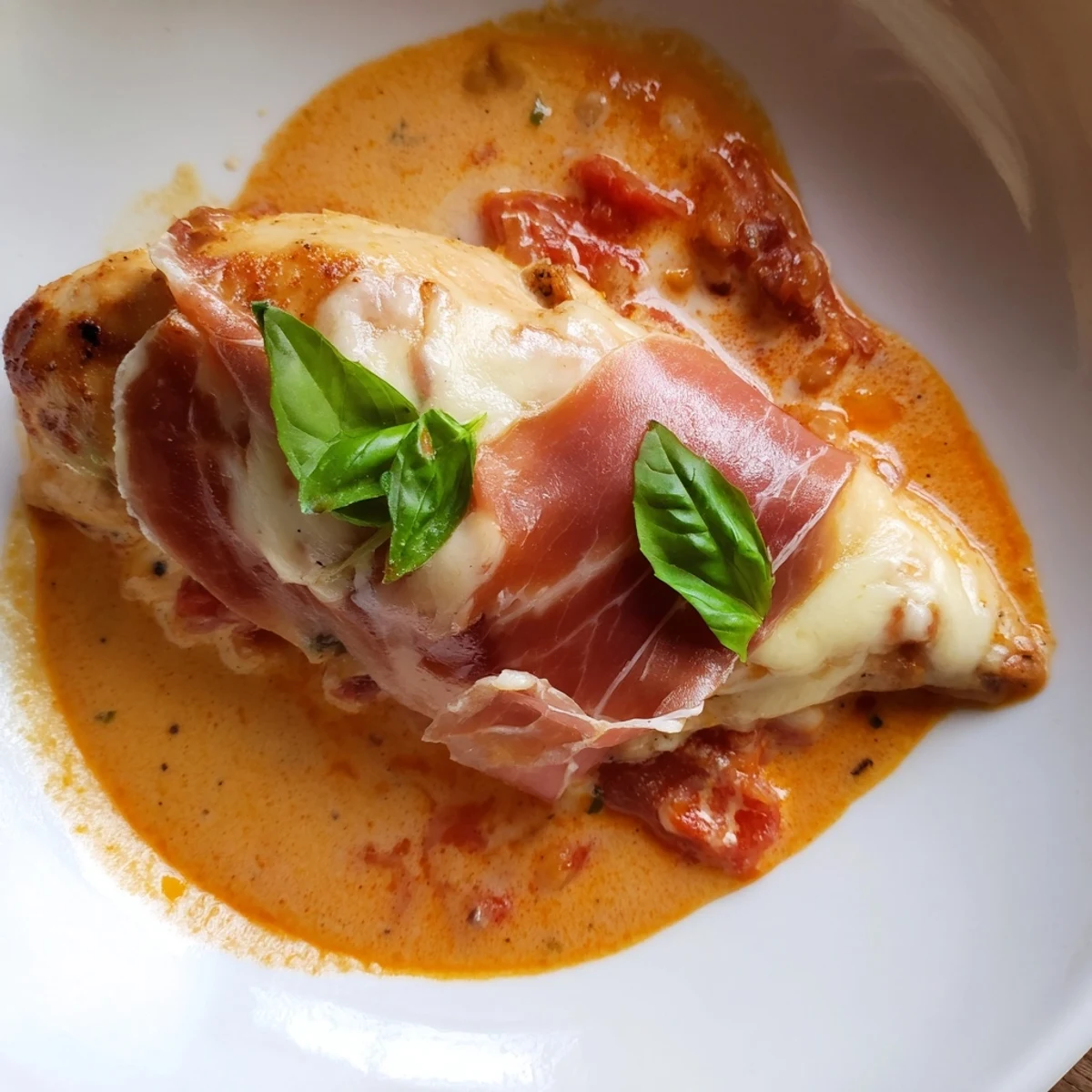
 Chicken Valdostana is a hearty Italian main course that combines pan-seared chicken breasts with salty prosciutto di Parma and creamy melted Fontina cheese.
The dish is built in a single oven-safe skillet: chicken is dredged in flour, seared until golden, then nestled into a quick sauce of white wine, crushed tomatoes, garlic, and shallot.
Each breast gets topped with a slice of prosciutto and Fontina before a brief stint in the oven to melt everything together into a bubbly, golden-topped finish.
Serve it straight from the skillet with polenta, risotto, or crusty bread to soak up the rich sauce.
The rain was hammering against the kitchen window the evening my neighbor Luca casually mentioned a dish from the Aosta Valley that would ruin me for plain chicken forever. He was not exaggerating. Chicken Valdostana is one of those Italian recipes that sounds simple on paper but delivers the kind of layered, gooey, savory satisfaction that makes you close your eyes at the dinner table.
I made this for my sister the night she moved into her first apartment, with nothing but a borrowed skillet and a grocery bag full of ingredients. We sat on unpacked boxes eating straight from the pan because neither of us had plates yet, and she looked at me mid bite and said this was the only housewarming gift she needed.
Ingredients
- 4 boneless, skinless chicken breasts: Pound them evenly so they cook uniformly and stay juicy throughout.
- 4 slices prosciutto di Parma: One slice per breast is all you need for that salty, silky layer.
- 120 g Fontina cheese, sliced: Fontina melts like a dream and brings a subtle nuttiness that mozzarella simply cannot replicate.
- 60 g all-purpose flour: A light dredge gives the chicken a delicate crust that holds the sauce beautifully.
- 2 tbsp olive oil: Use a good quality oil since it is the foundation for searing and building flavor.
- 80 ml dry white wine: Something you would drink works best here, nothing fancy required.
- 400 g canned crushed tomatoes: San Marzano if you can find them, their natural sweetness balances the richness.
- 60 ml chicken broth: Adds depth to the sauce without overpowering the tomato base.
- 2 garlic cloves, minced: Fresh garlic makes a noticeable difference in the aroma of the sauce.
- 1 small shallot, finely chopped: Shallots offer a gentler, sweeter flavor than regular onion.
- Salt and black pepper, to taste: Season the chicken generously before dredging.
- 1 tsp dried oregano: A small amount infuses the sauce with classic Mediterranean warmth.
- Fresh basil leaves, for garnish: Tear them by hand right before serving for the brightest flavor.
Instructions
- Preheat and prepare:
- Set your oven to 200 degrees Celsius (400 degrees Fahrenheit) and let it come to full temperature while you prep the chicken. An oven safe skillet is essential here because you will move seamlessly from stovetop to oven without losing any of those delicious browned bits.
- Flatten and season the chicken:
- Place each breast between sheets of parchment paper and gently pound to about 1.5 centimeters thick using a meat mallet or rolling pin. Season both sides well with salt and pepper, taking a moment to press the seasoning into the meat with your hands.
- Dredge in flour:
- Coat each chicken breast in flour and give it a good shake to remove any excess. You want a thin, even layer that crisps up during searing without turning gummy.
- Sear to golden:
- Heat olive oil in your oven safe skillet over medium high heat until it shimmers, then lay the chicken in carefully without crowding. Sear for 2 to 3 minutes per side until you see a light golden crust forming, then remove and set aside on a plate.
- Build the aromatics:
- In the same skillet with all those lovely rendered juices, drop in the shallot and garlic. Stir for about a minute until your kitchen smells incredible and the shallot softens slightly.
- Deglaze and simmer the sauce:
- Pour in the white wine and scrape up every browned bit stuck to the bottom of the pan because that is concentrated flavor you do not want to lose. Add the crushed tomatoes, chicken broth, and oregano, then let the sauce simmer gently for 5 minutes so it thickens slightly.
- Layer and bake:
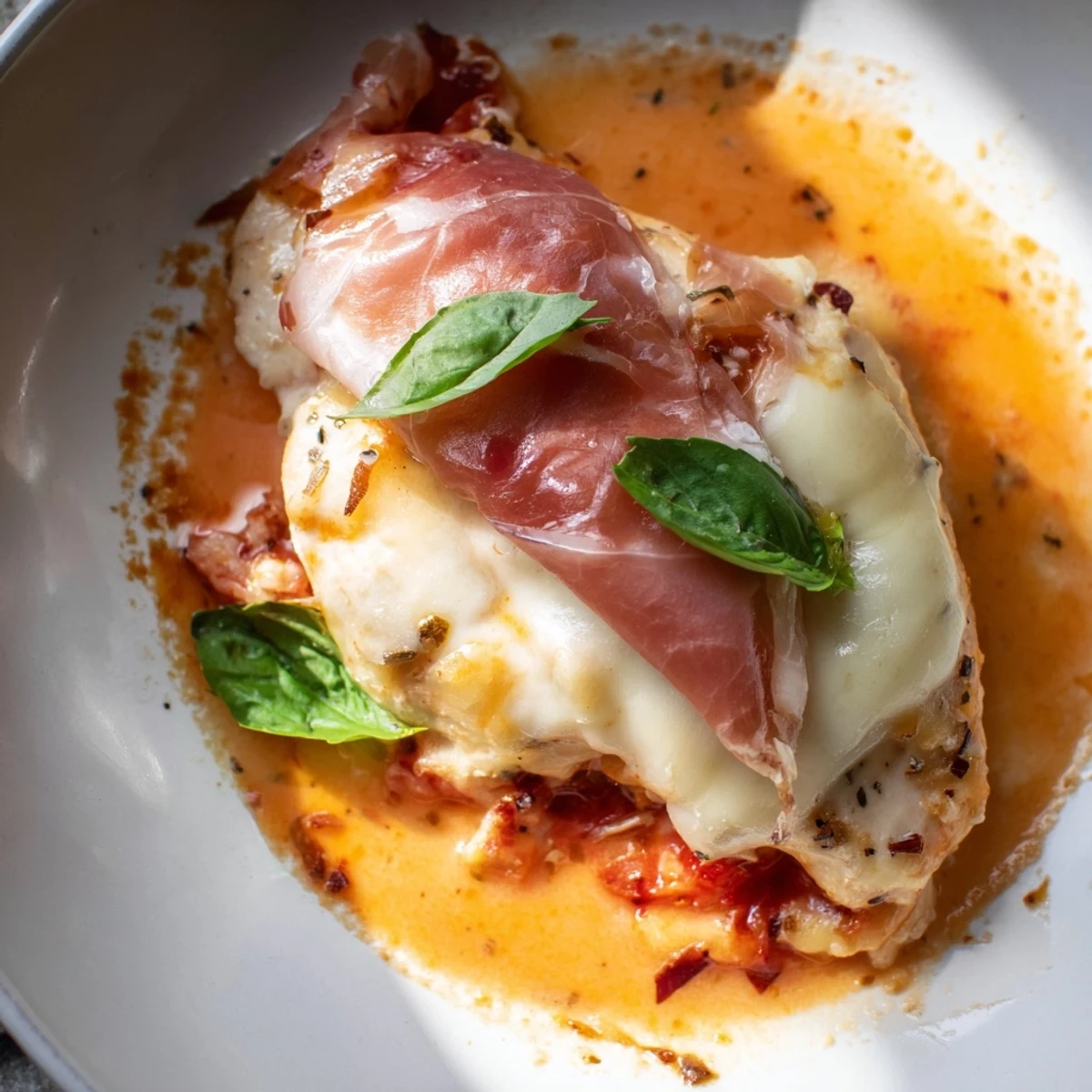
- Nestle the seared chicken breasts back into the sauce, then drape each one with a slice of prosciutto followed by Fontina cheese. Transfer the whole skillet into the oven and bake for 10 to 12 minutes until the cheese is bubbling and melted and the chicken is cooked through.
- Finish and serve:
- Pull the skillet from the oven and scatter torn fresh basil over the top. Serve hot with extra sauce spooned generously over each portion.
 Pin it
 There is something deeply satisfying about pulling a bubbling skillet from the oven and watching the Fontina stretch as you serve each piece. It turns an ordinary weeknight into something that feels deliberate and celebratory without demanding hours of work.
Serving Ideas That Never Disappoint
Creamy polenta is my favorite companion for this dish because it soaks up the tomato sauce like a sponge and rounds out every bite. A simple arugula salad with lemon juice and olive oil on the side cuts through the richness perfectly. Crusty bread also works wonders when you want something to mop up every last drop of sauce from the plate.
Smart Substitutions Worth Knowing
If Fontina is hiding from you at the grocery store, a good quality mozzarella or even provolone will melt admirably in its place. For a gluten free version, swap the all purpose flour for a gluten free blend or cornstarch and the result is nearly indistinguishable. The prosciutto can be replaced with thin slices of ham in a pinch, though you will lose some of that delicate cured depth.
Making It Your Own
This recipe is wonderfully forgiving and lends itself to small personal twists once you feel confident with the basic method. A handful of capers stirred into the sauce adds a briny punch that pairs beautifully with the cheese. You can also finish with a drizzle of balsamic glaze for a slight sweetness that surprises people in the best way.
- Let the chicken rest for two minutes after removing from the oven so the juices redistribute and every bite stays moist.
- If the sauce tastes too acidic, a tiny pinch of sugar stirred in at the end works wonders.
- Always taste the sauce before serving because a final adjustment of salt can transform the entire dish.
 Pin it
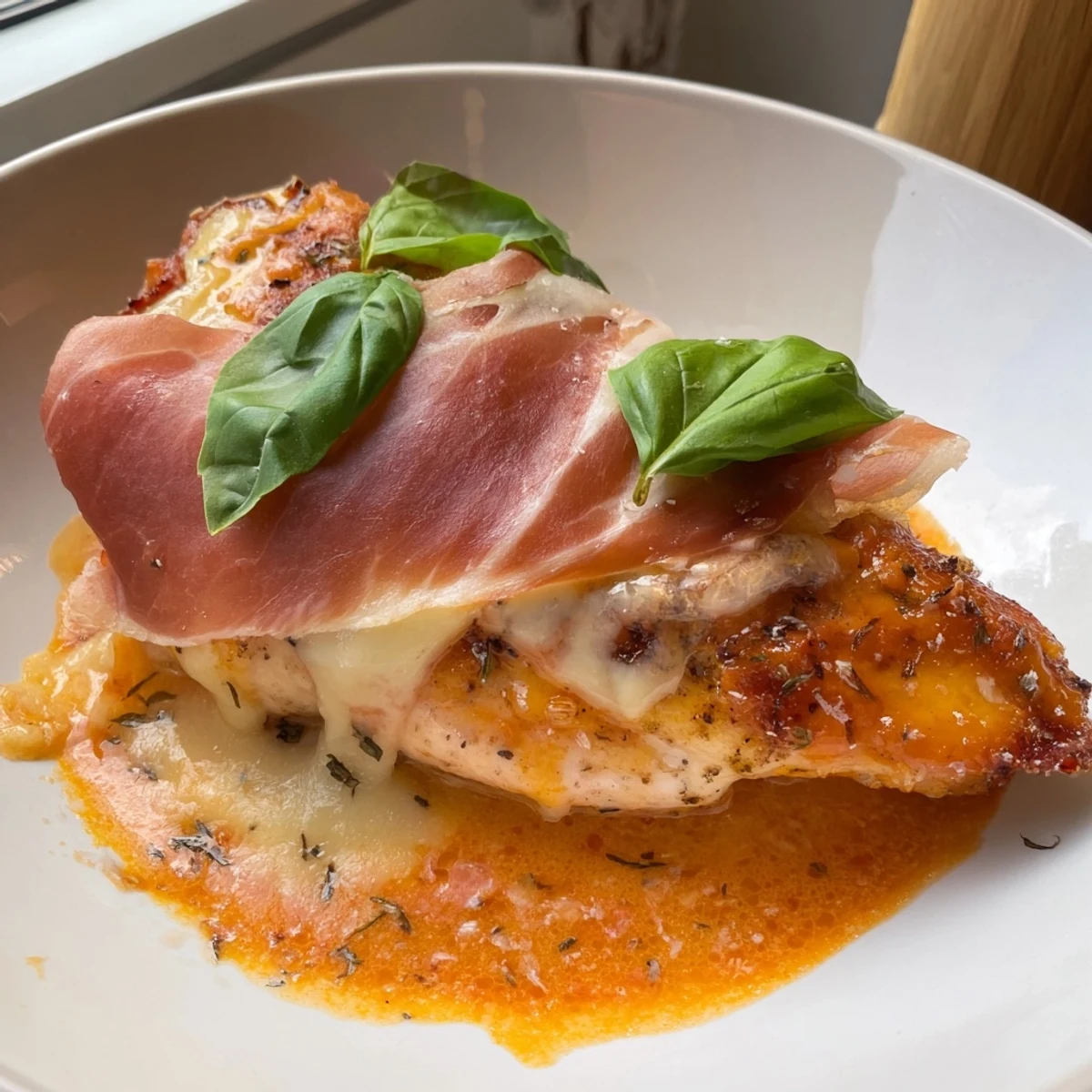
 Chicken Valdostana is proof that a handful of good ingredients treated with care can produce something far greater than the sum of their parts. Share it with someone you love, or simply treat yourself on a quiet evening when good food is the only thing on the agenda.
Recipe Questions & Answers
- → What does Valdostana mean in Italian cooking?
-
Valdostana refers to the style of cooking from Italy's Aosta Valley region. It typically involves veal or chicken cutlets topped with prosciutto and Fontina cheese, then baked until the cheese melts. Fontina cheese itself originates from this Alpine region.
- → Can I use a different cheese instead of Fontina?
-
Yes, if Fontina is unavailable, mozzarella makes a good substitute. Provolone or a mild Gruyère also work well. Keep in mind that Fontina has a unique creamy texture and earthy flavor that best captures the traditional taste of this dish.
- → How do I pound chicken breasts to an even thickness?
-
Place each chicken breast between two sheets of parchment paper or plastic wrap. Using a meat mallet or rolling pin, gently pound from the center outward until the breast reaches a uniform thickness of about 1.5 cm. This ensures even cooking throughout.
- → Can I make this dish ahead of time?
-
You can sear the chicken and prepare the sauce in advance, then refrigerate separately for up to 24 hours. When ready to serve, reheat the sauce, add the chicken, top with prosciutto and Fontina, and bake as directed. The dish is best served immediately after finishing in the oven.
- → What sides pair well with Chicken Valdostana?
-
Creamy polenta and risotto are classic Italian accompaniments that soak up the wine-tomato sauce beautifully. Crusty bread, garlic mashed potatoes, or a simple green salad also complement the rich, cheesy flavors of this dish well.
- → How do I know when the chicken is fully cooked?
-
The safest way is to use a meat thermometer inserted into the thickest part of the breast. The internal temperature should reach 74°C (165°F). Visually, the chicken should be opaque throughout with no pink center, and the juices should run clear when pierced.